Enclave House – Bohane Campo Architects –
Built by Avalon Constructions.
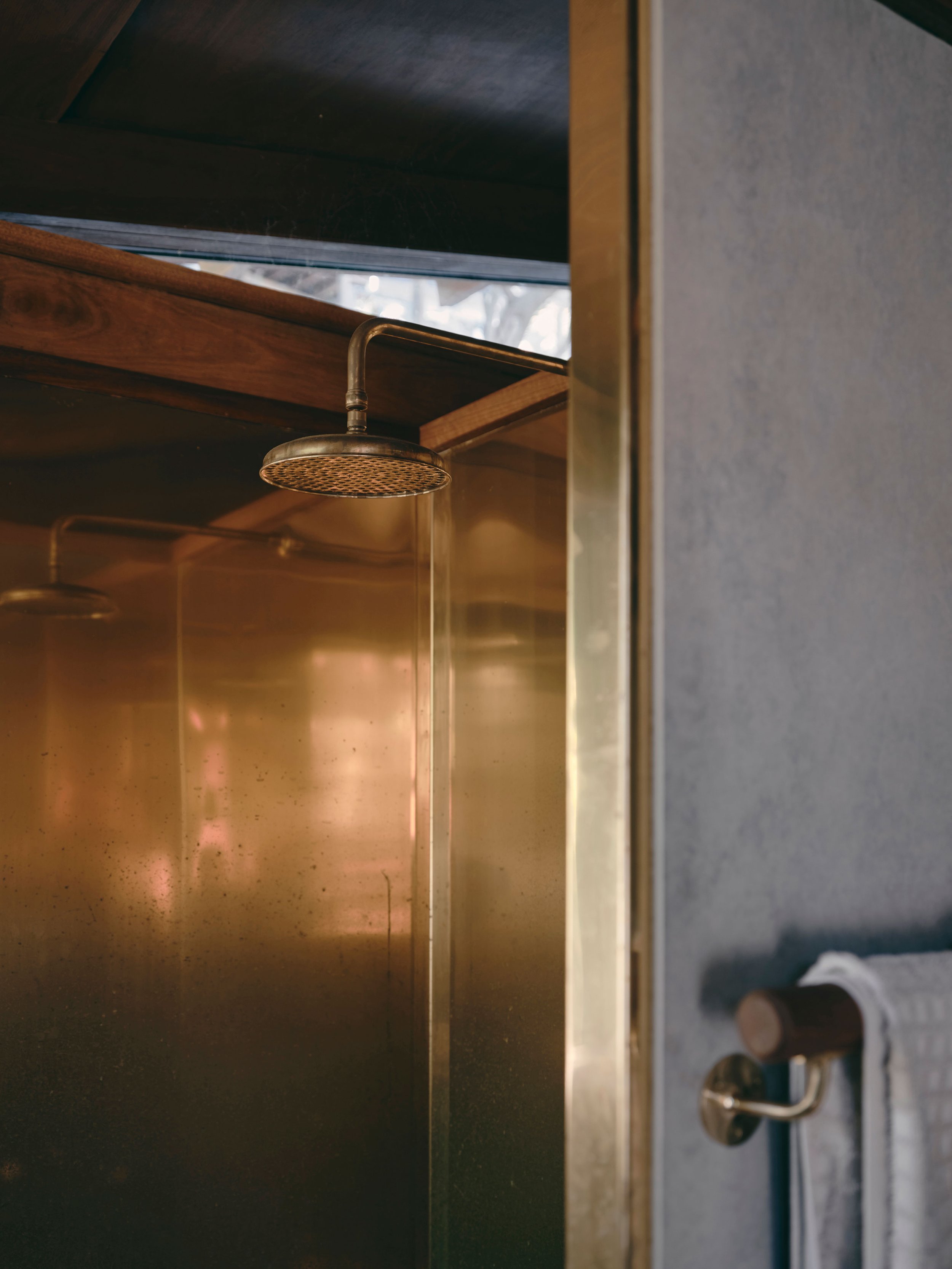
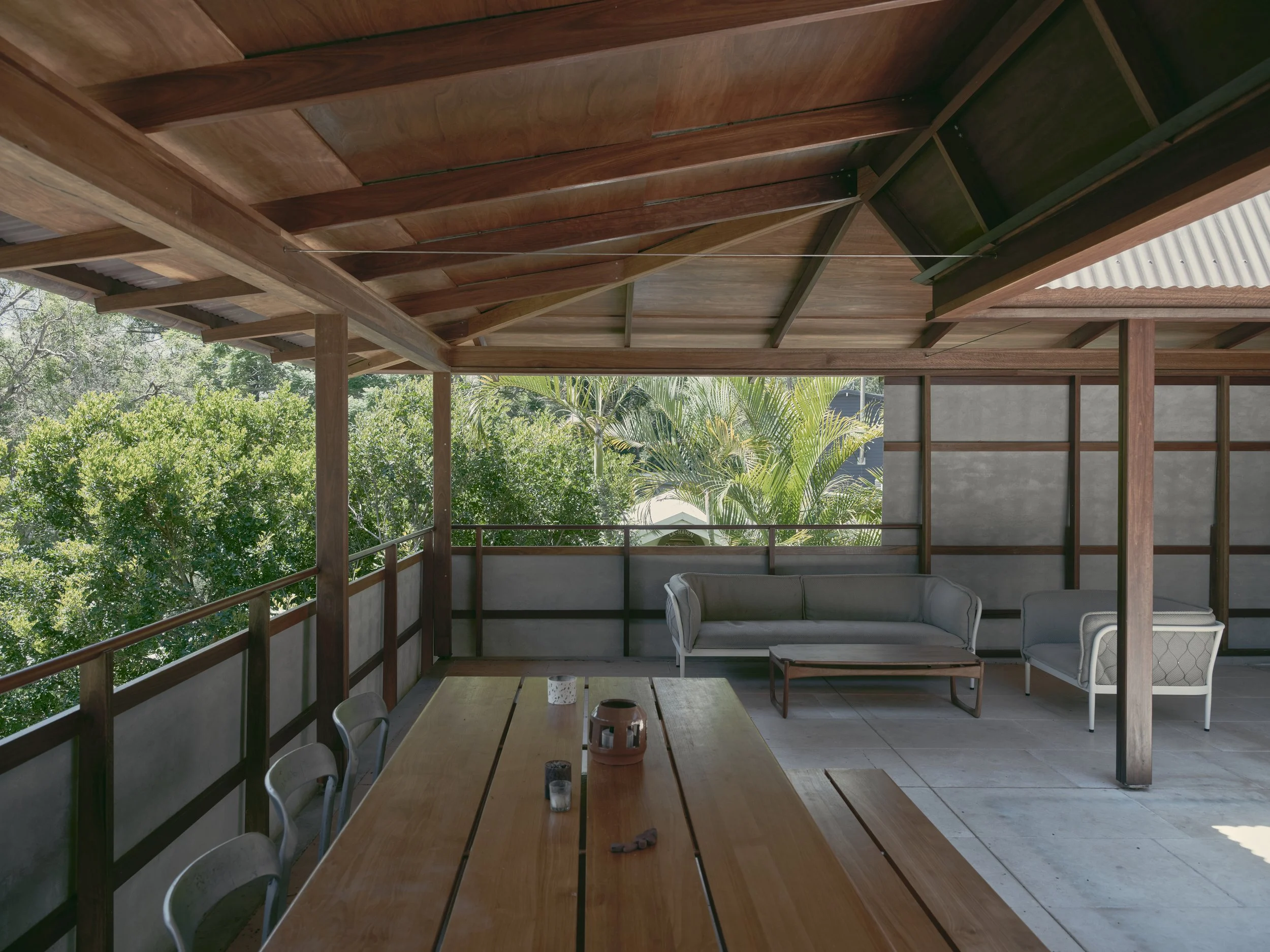
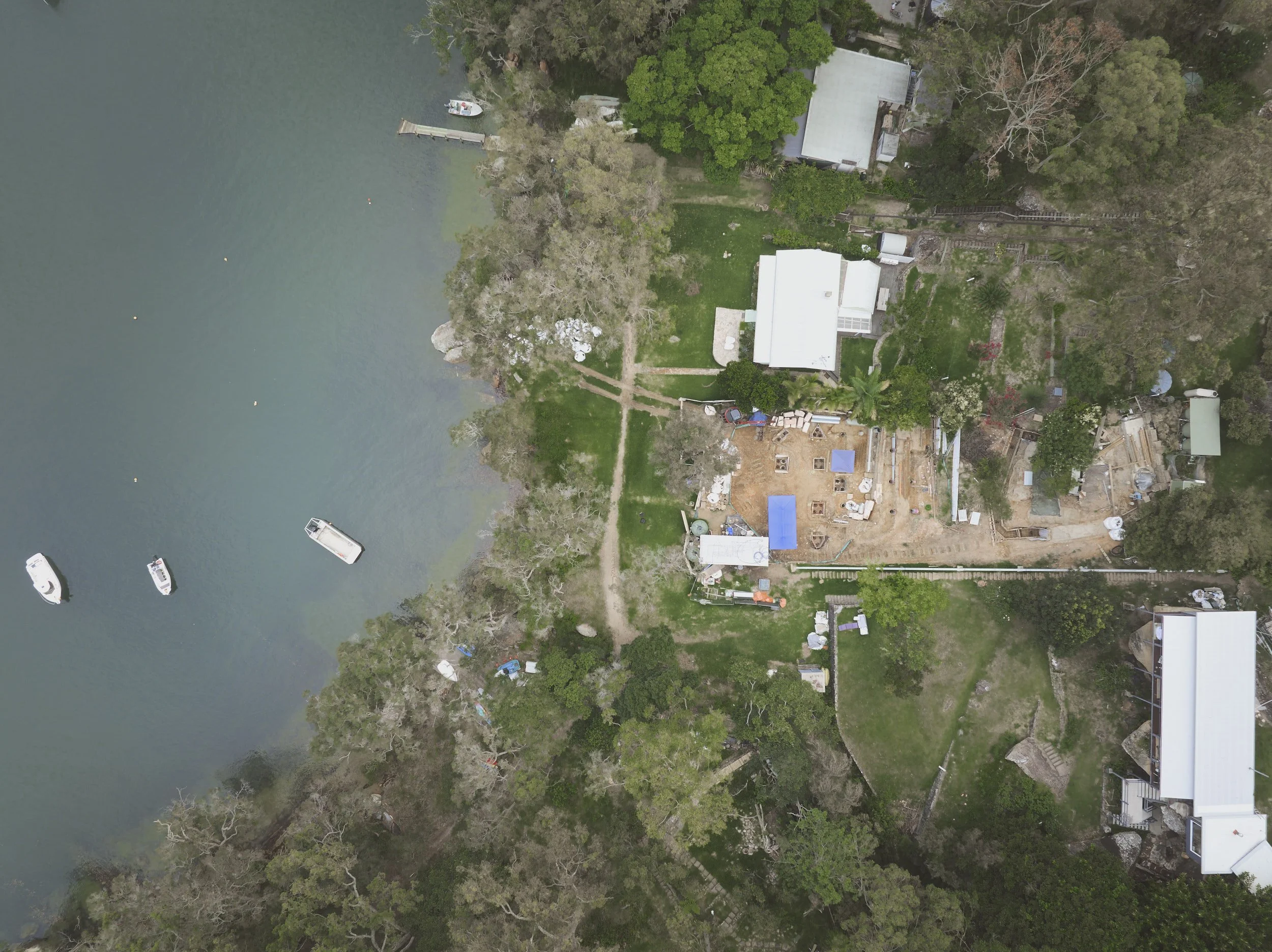
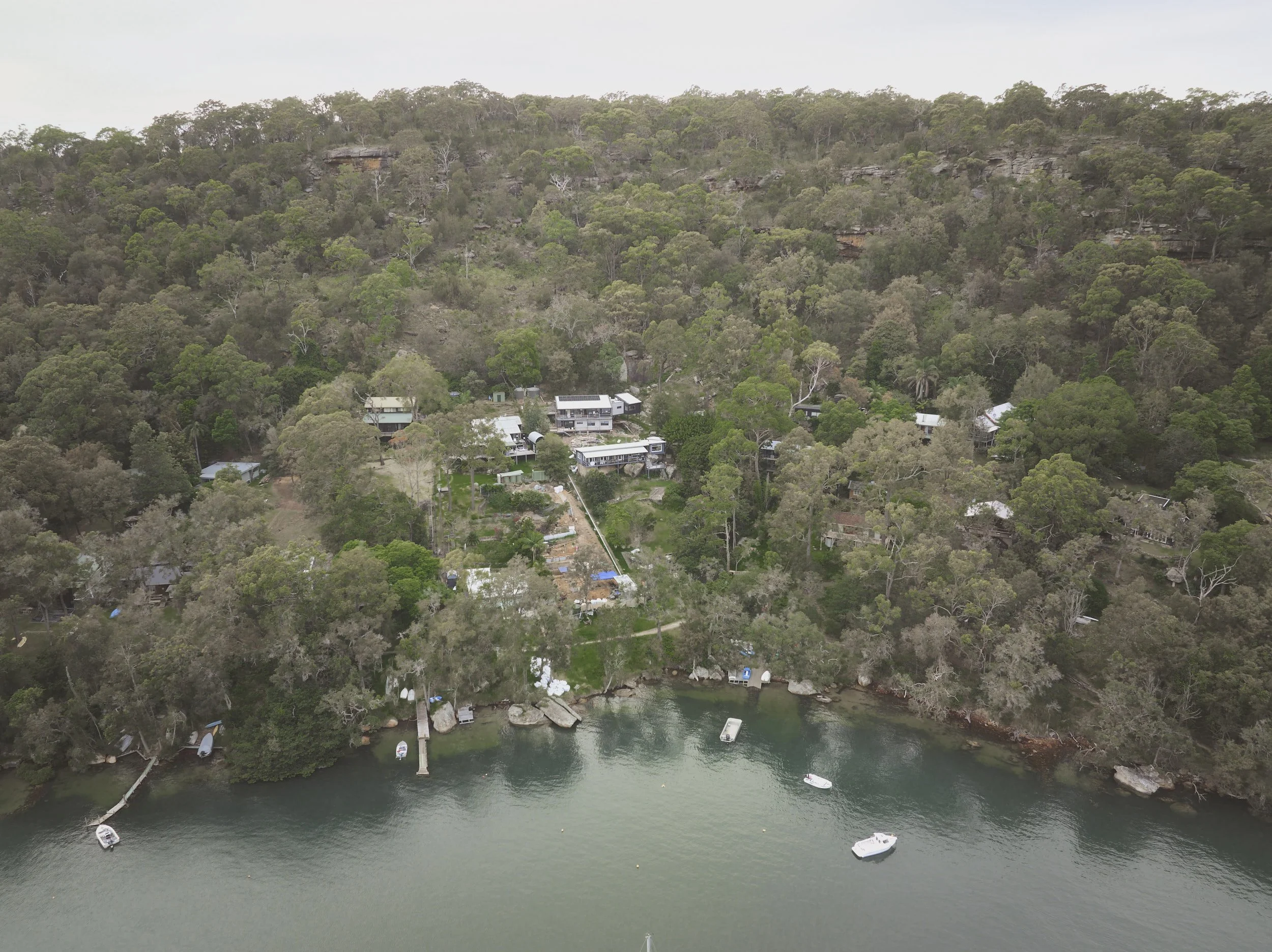
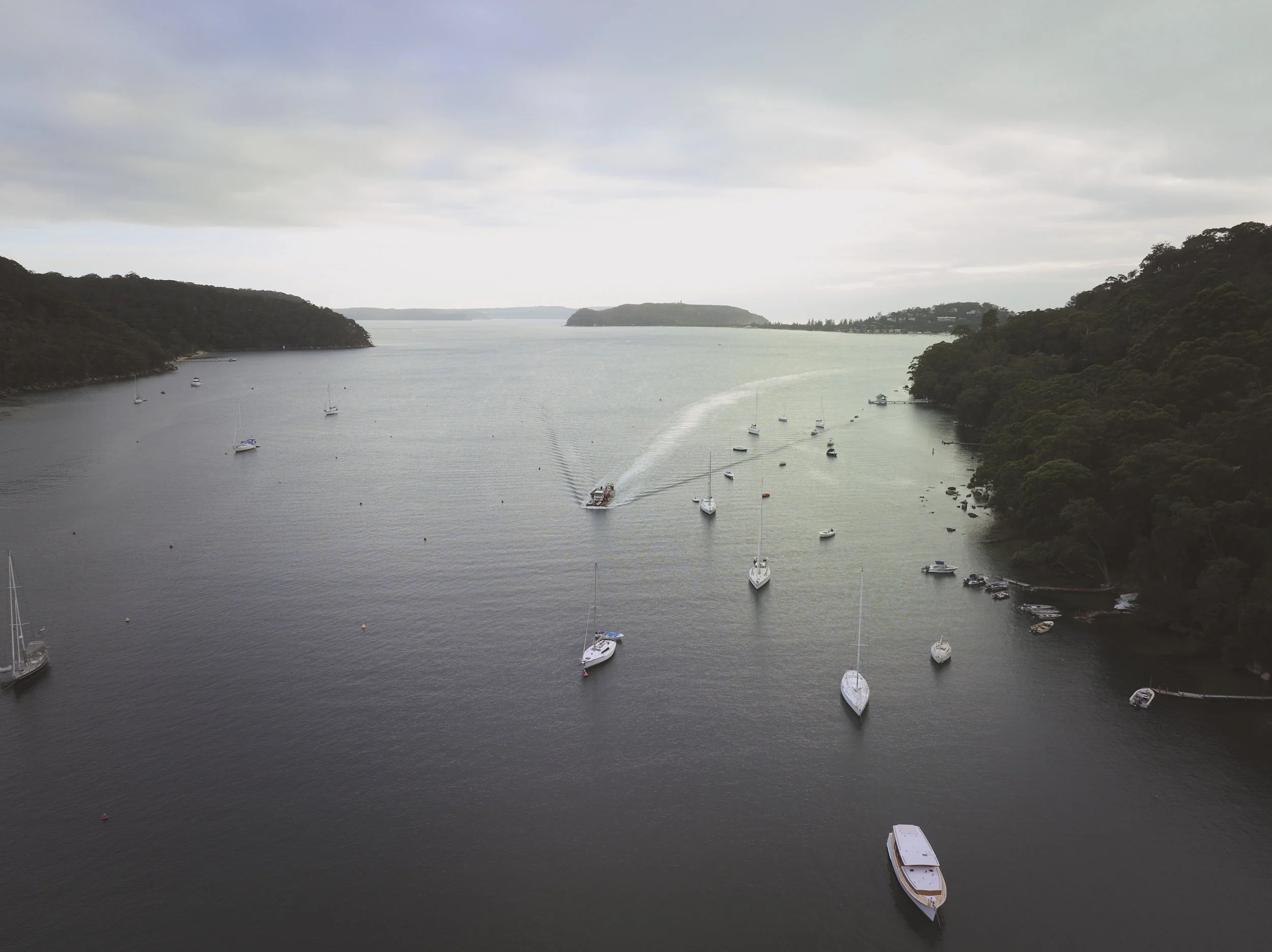
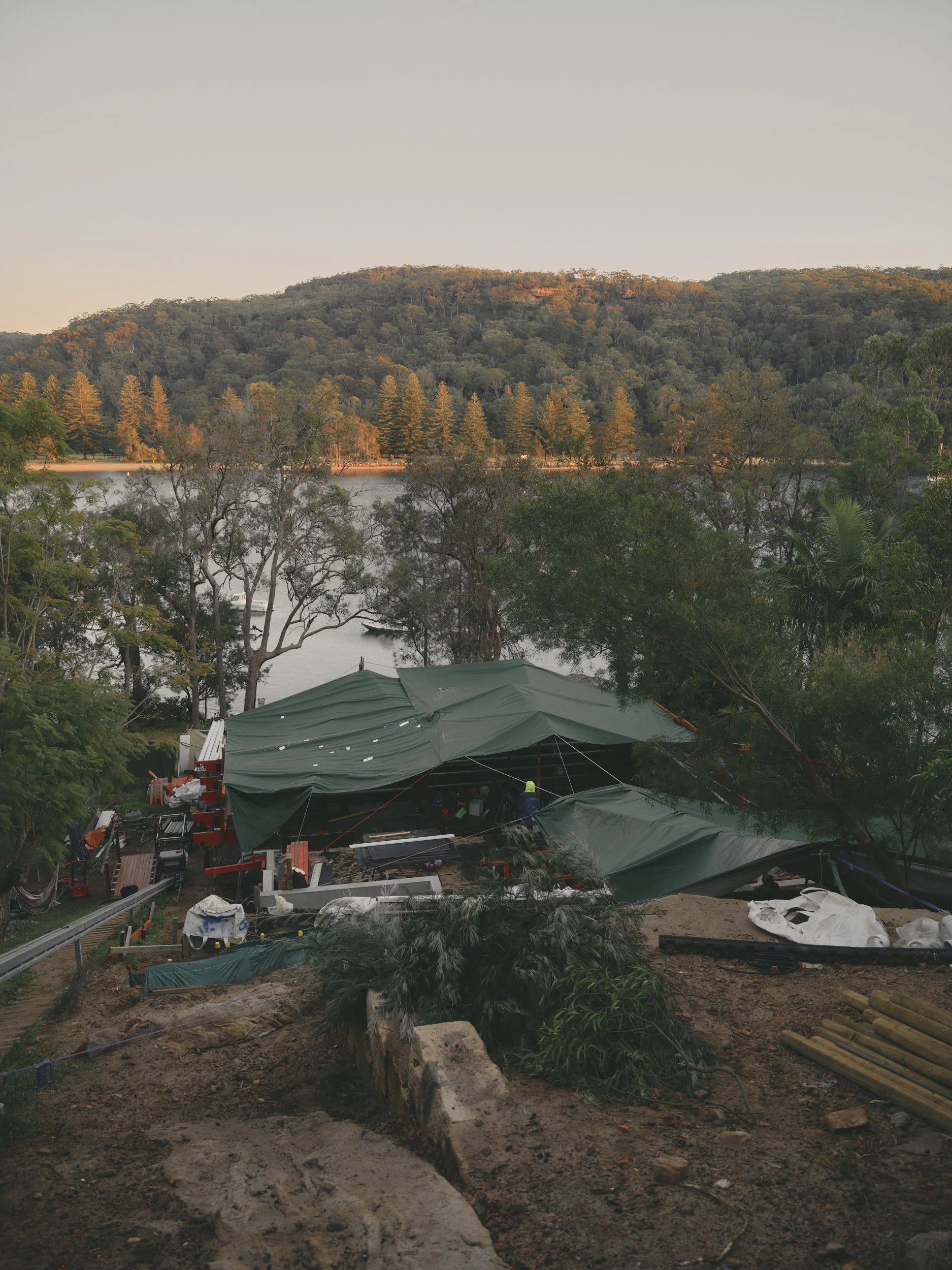
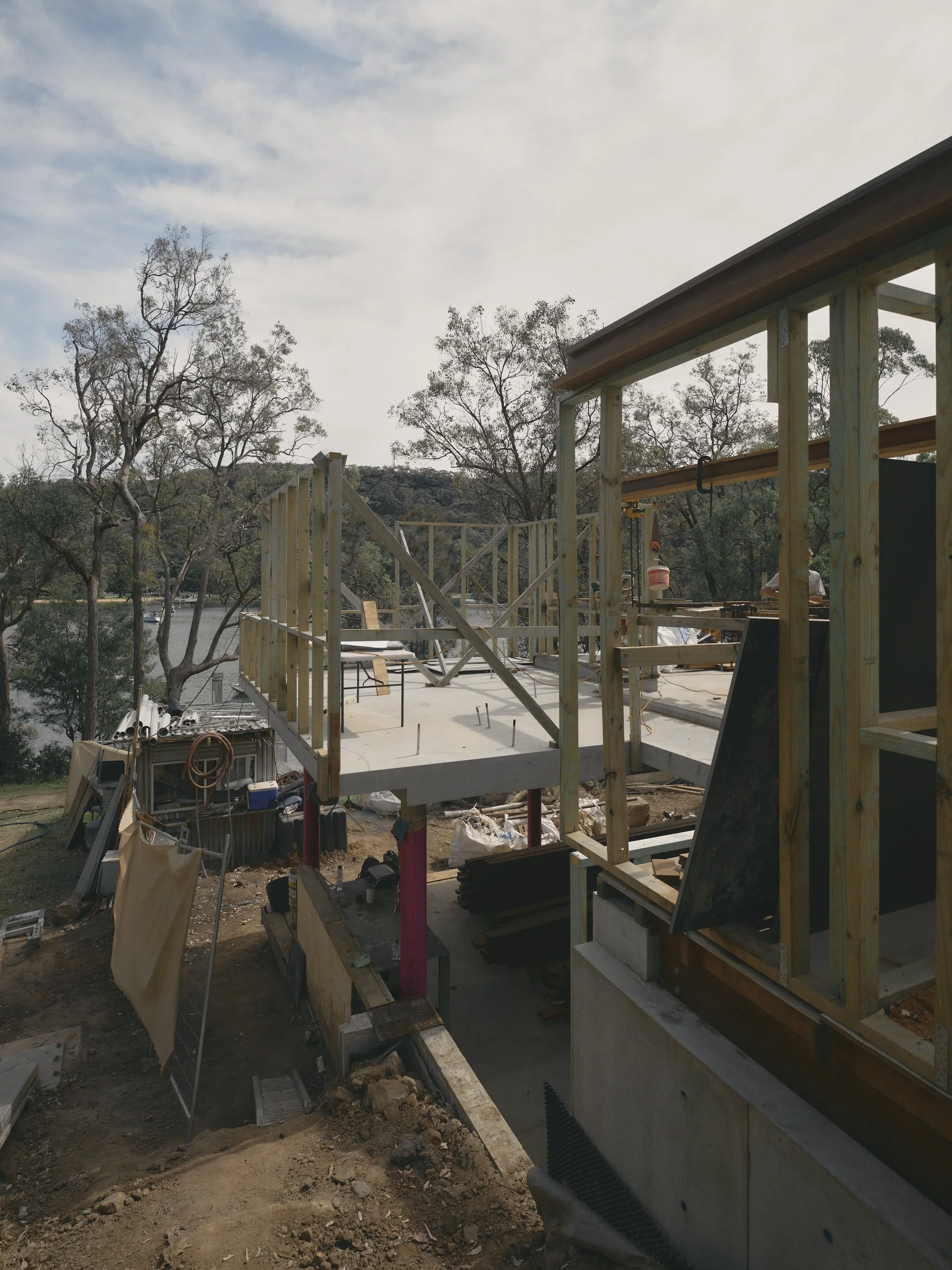
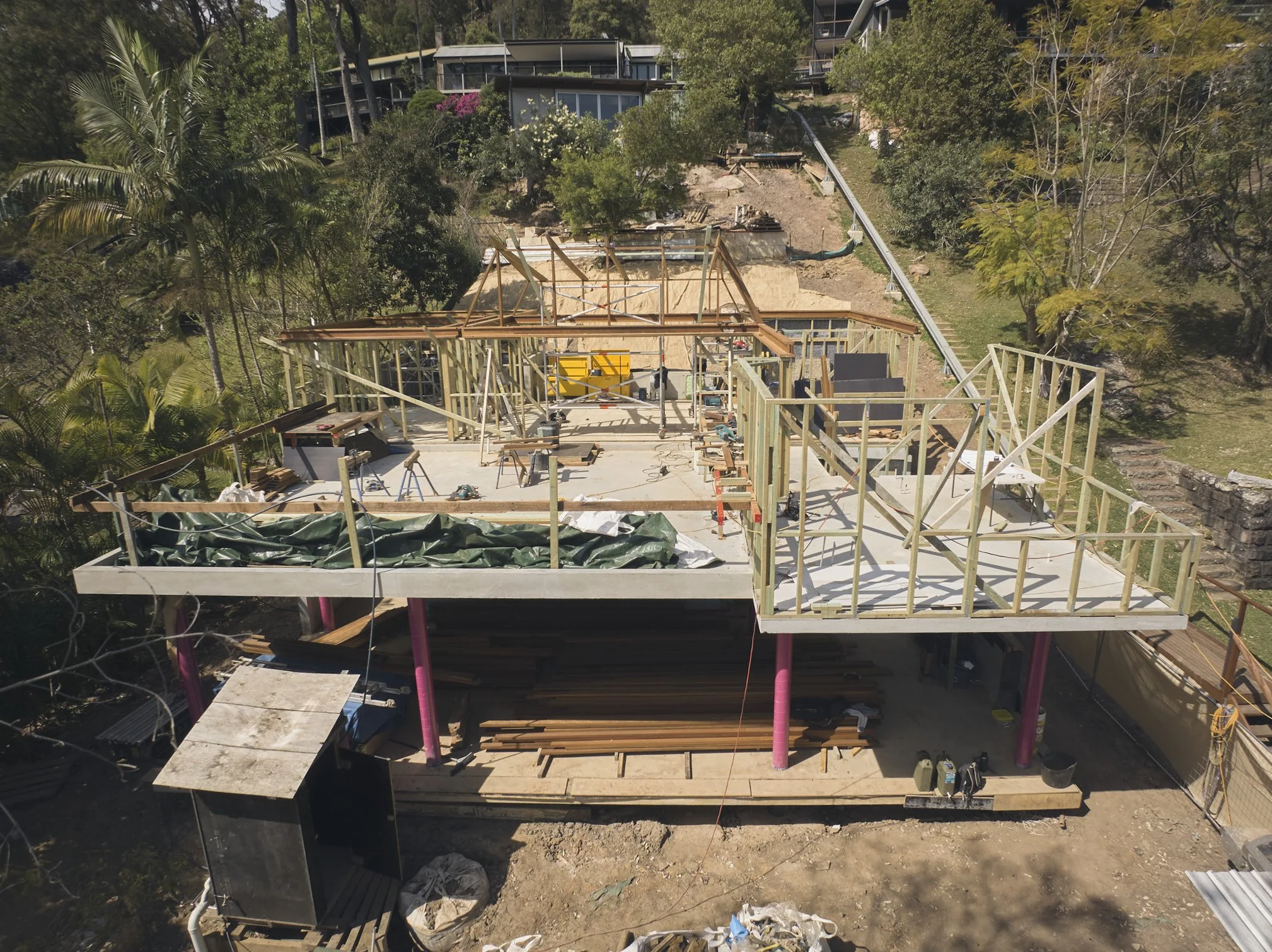
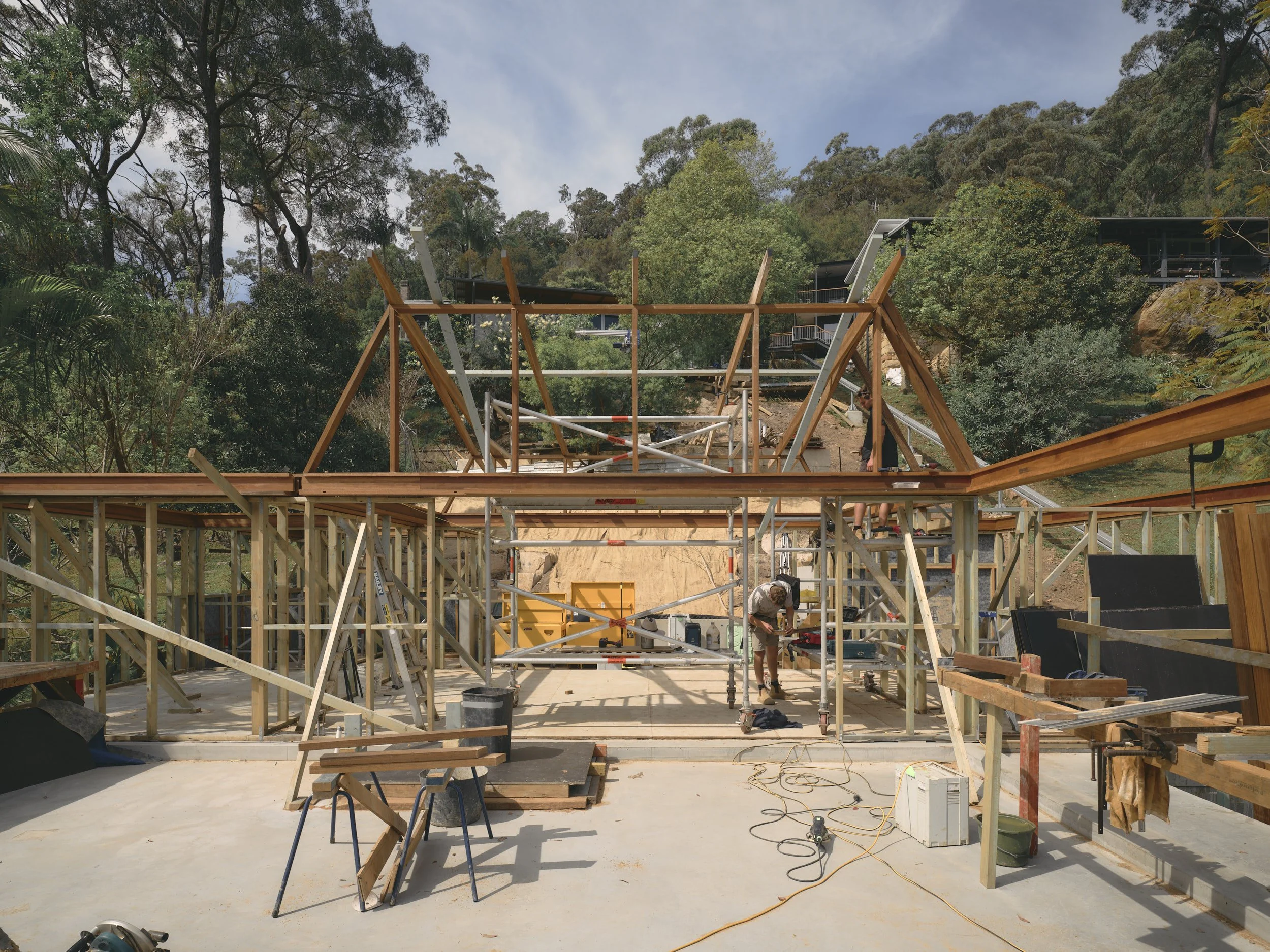
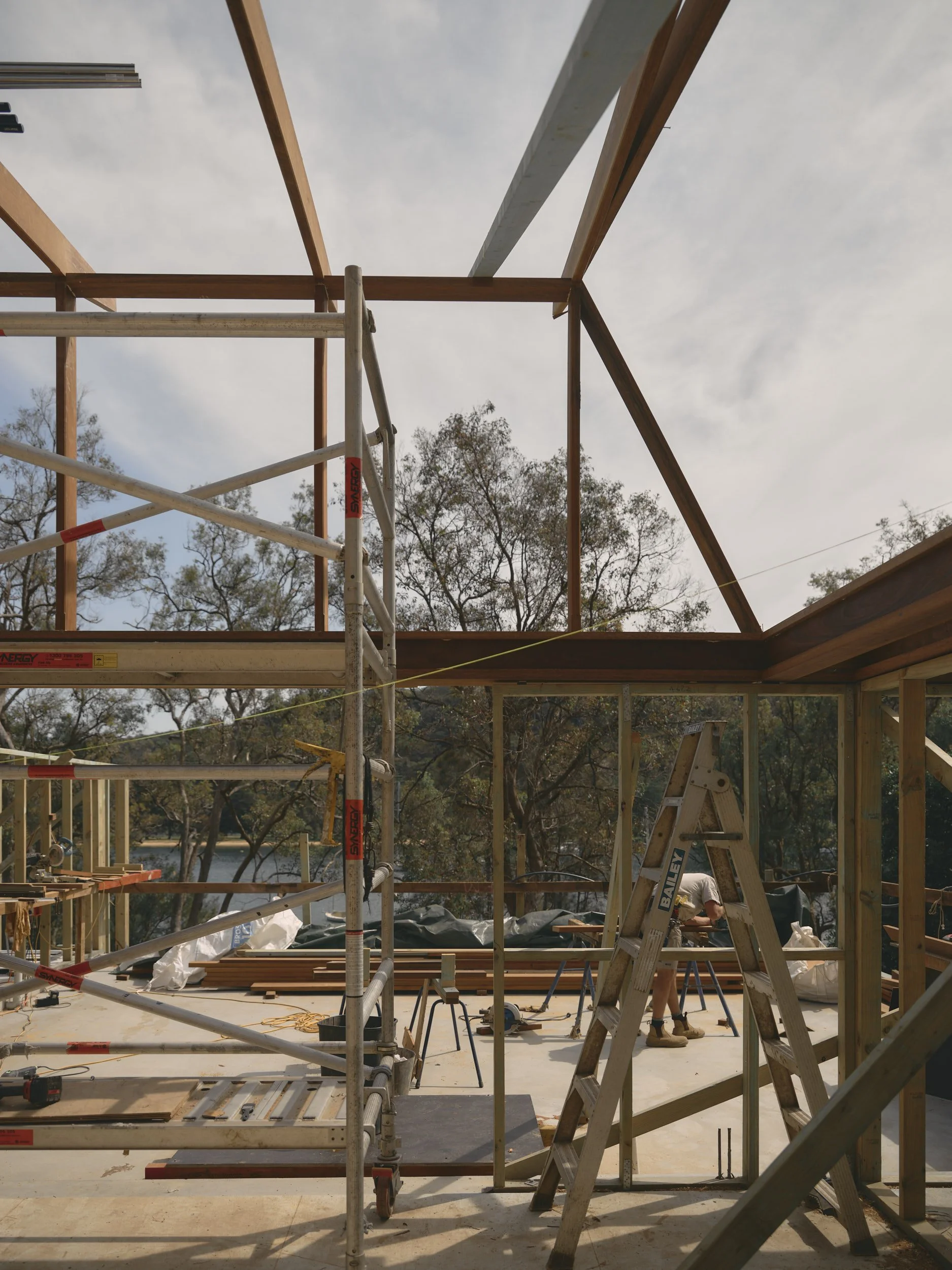
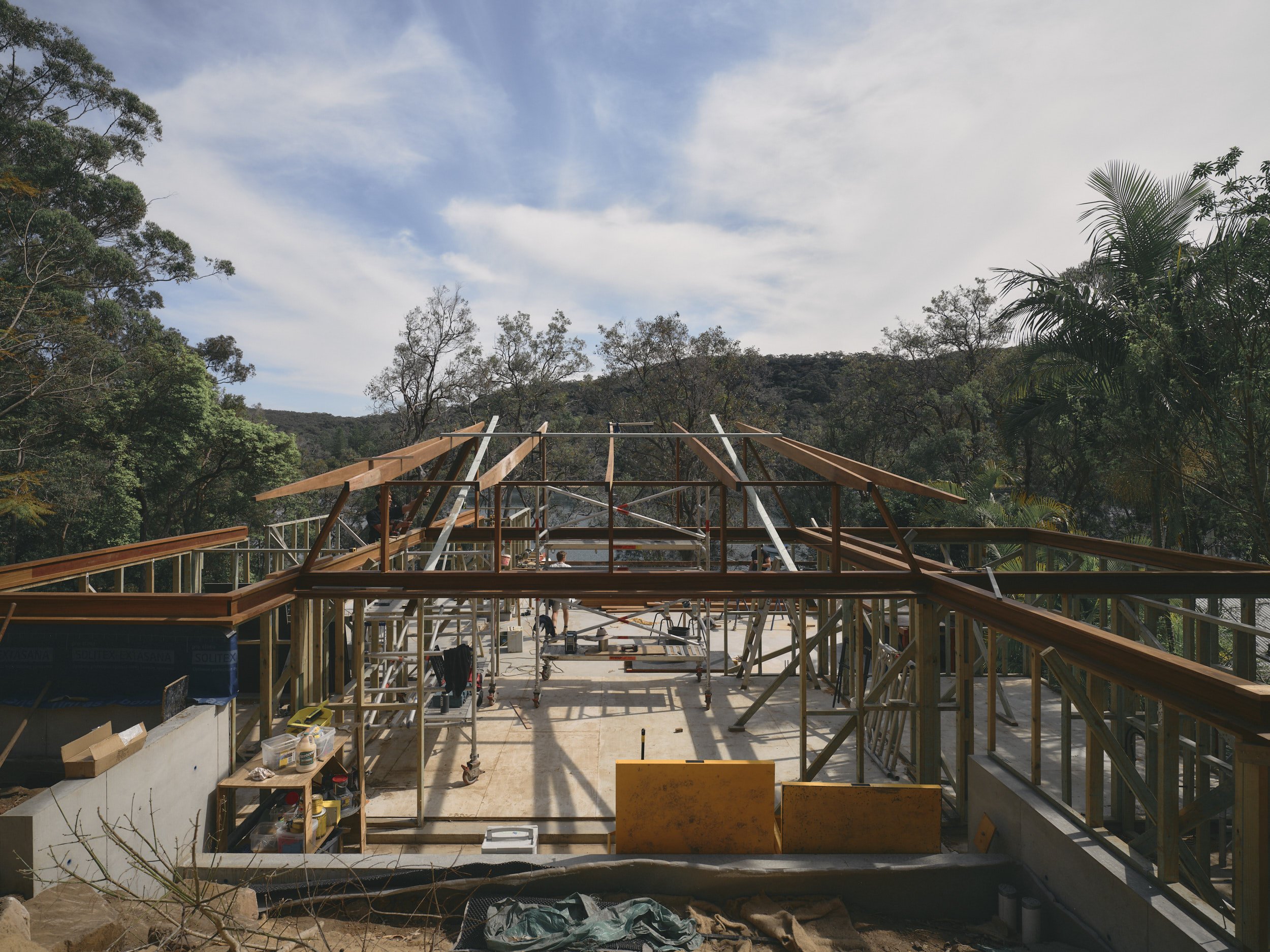
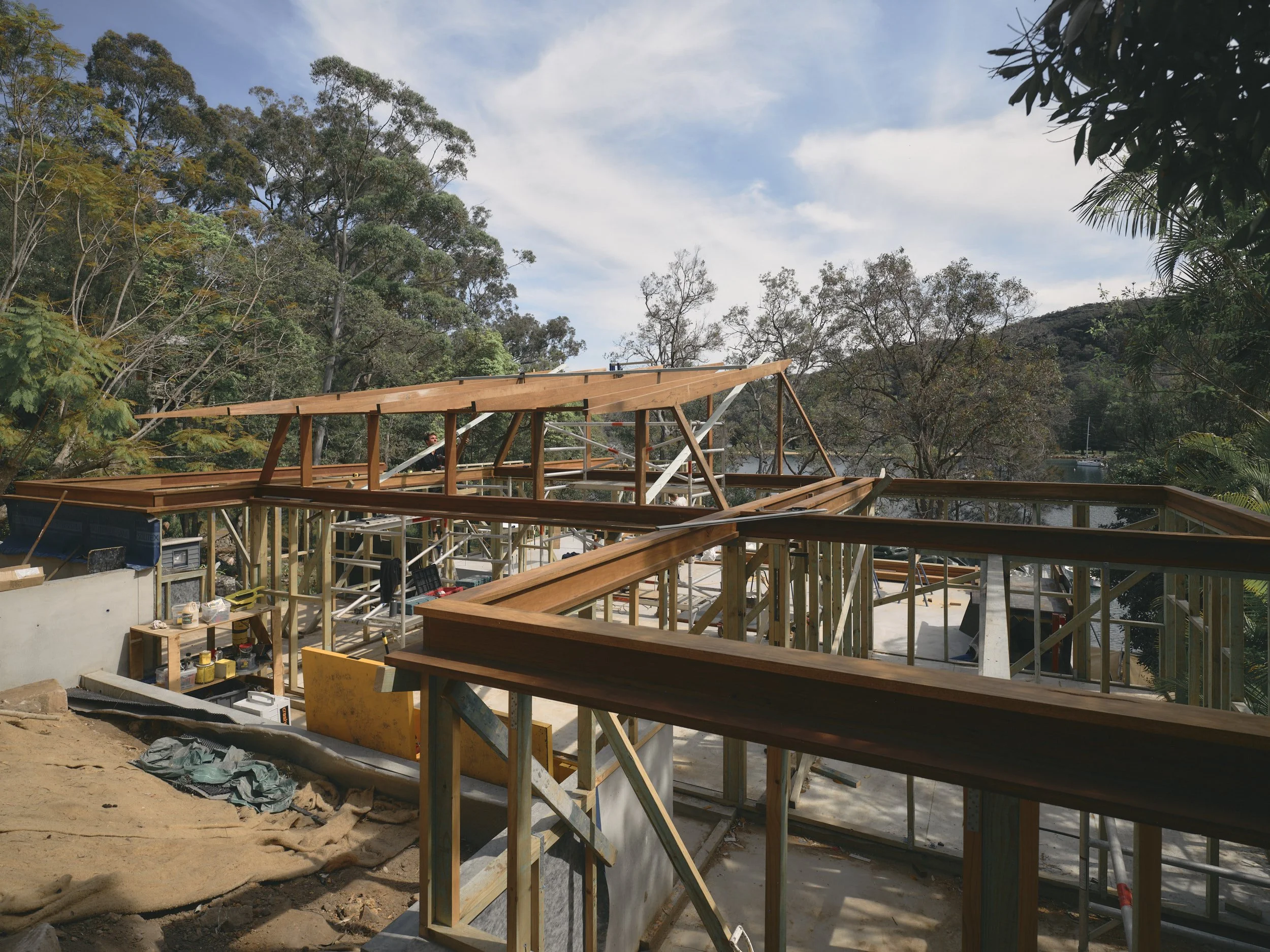
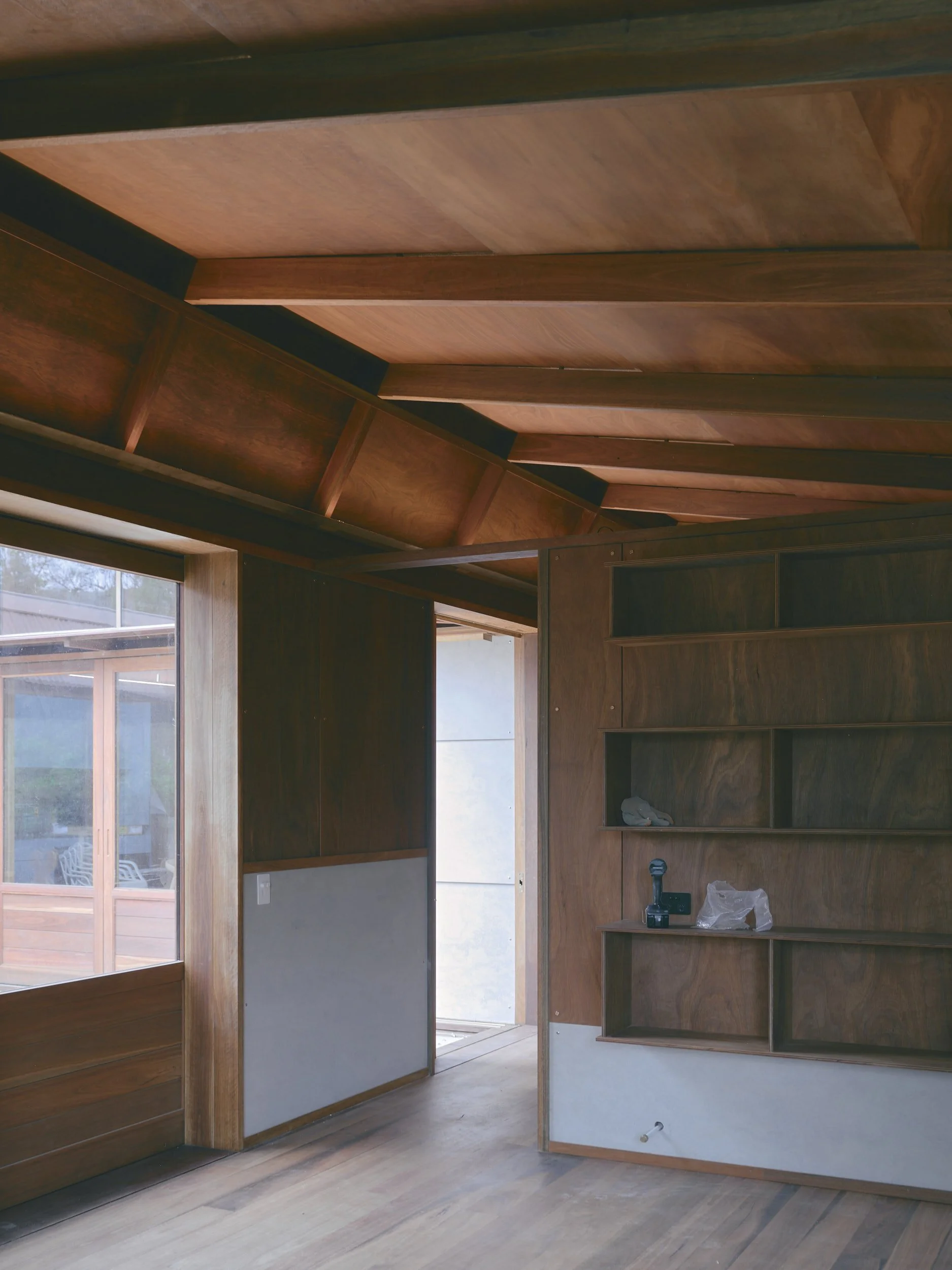
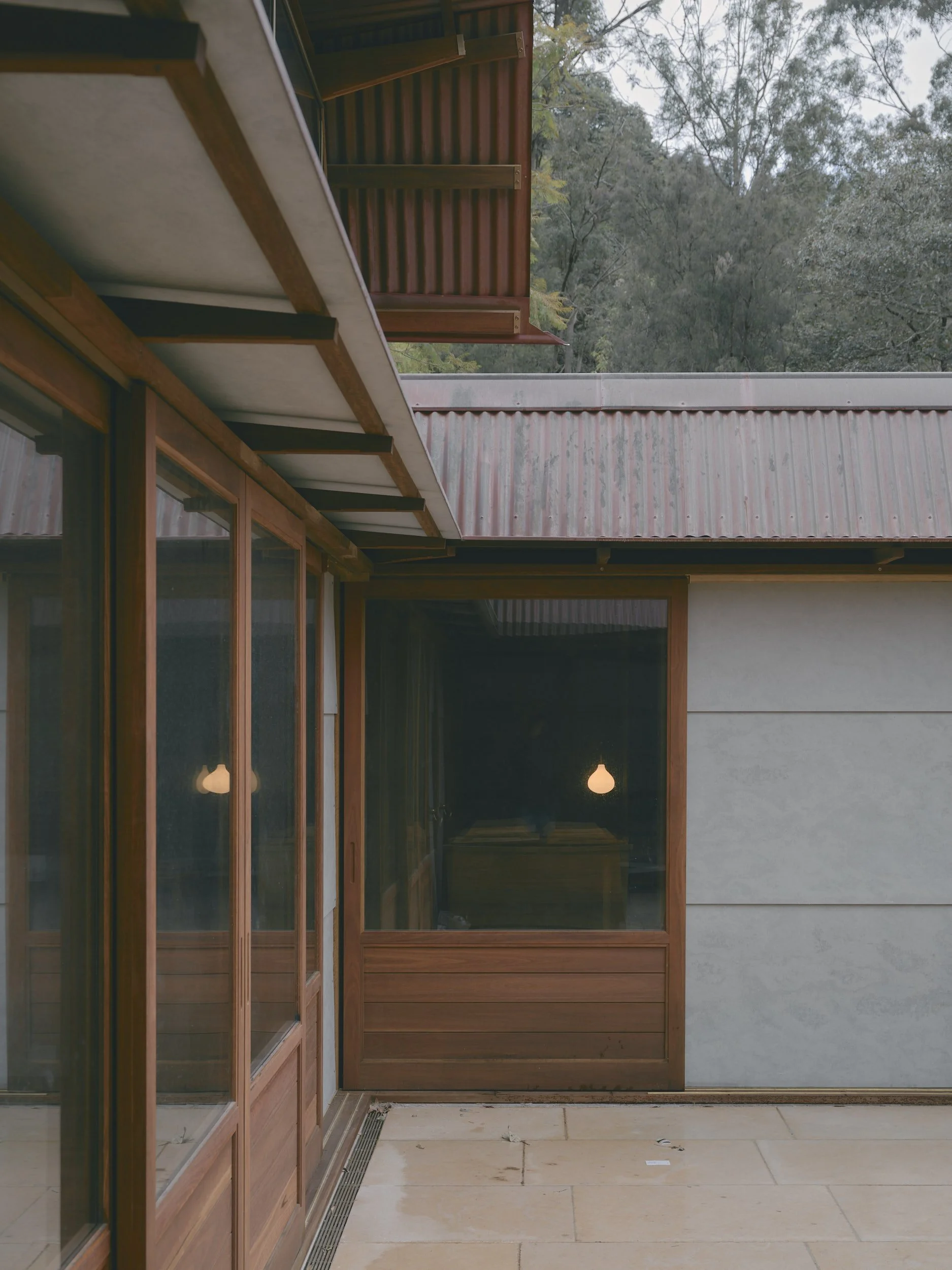
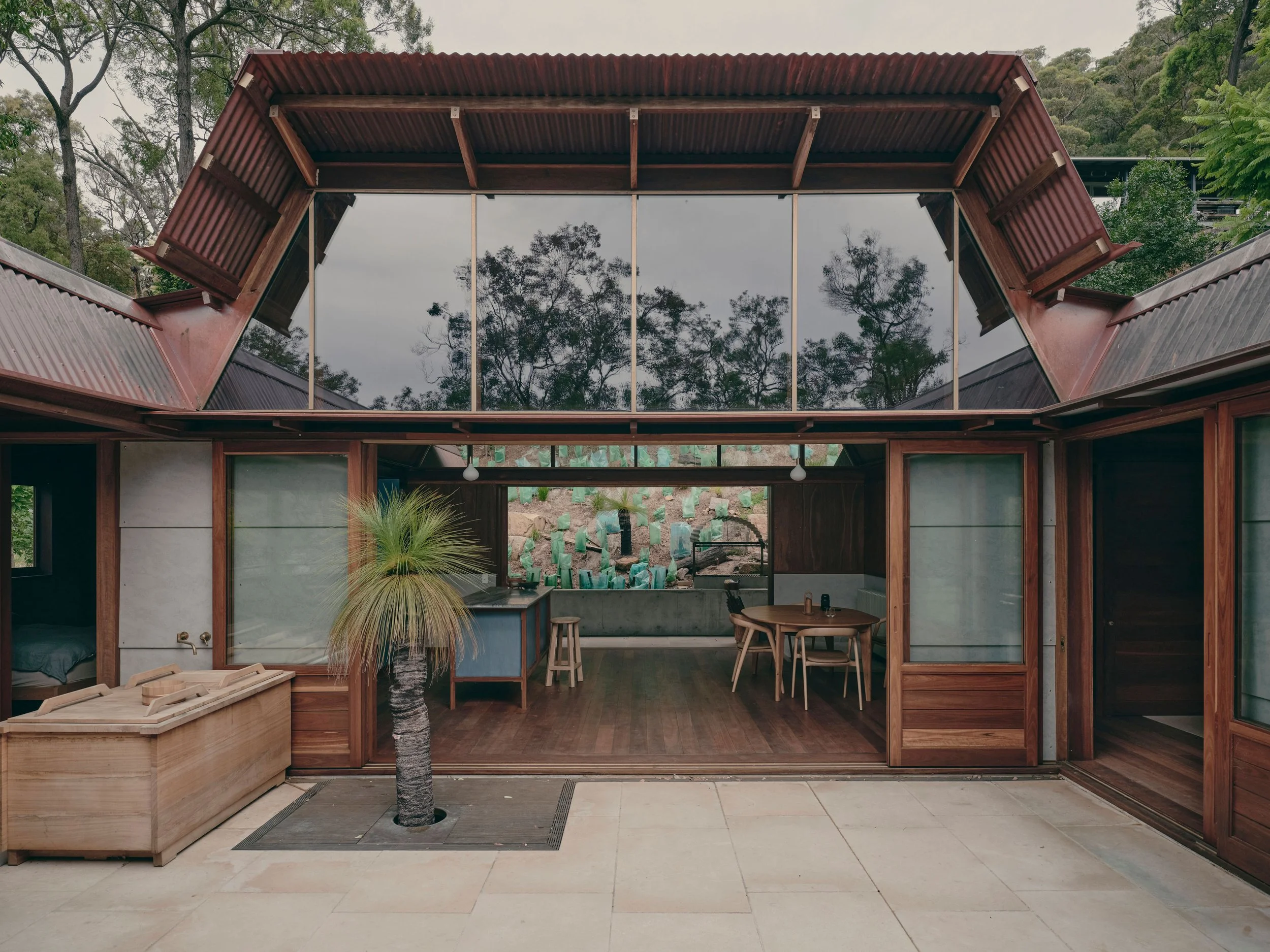
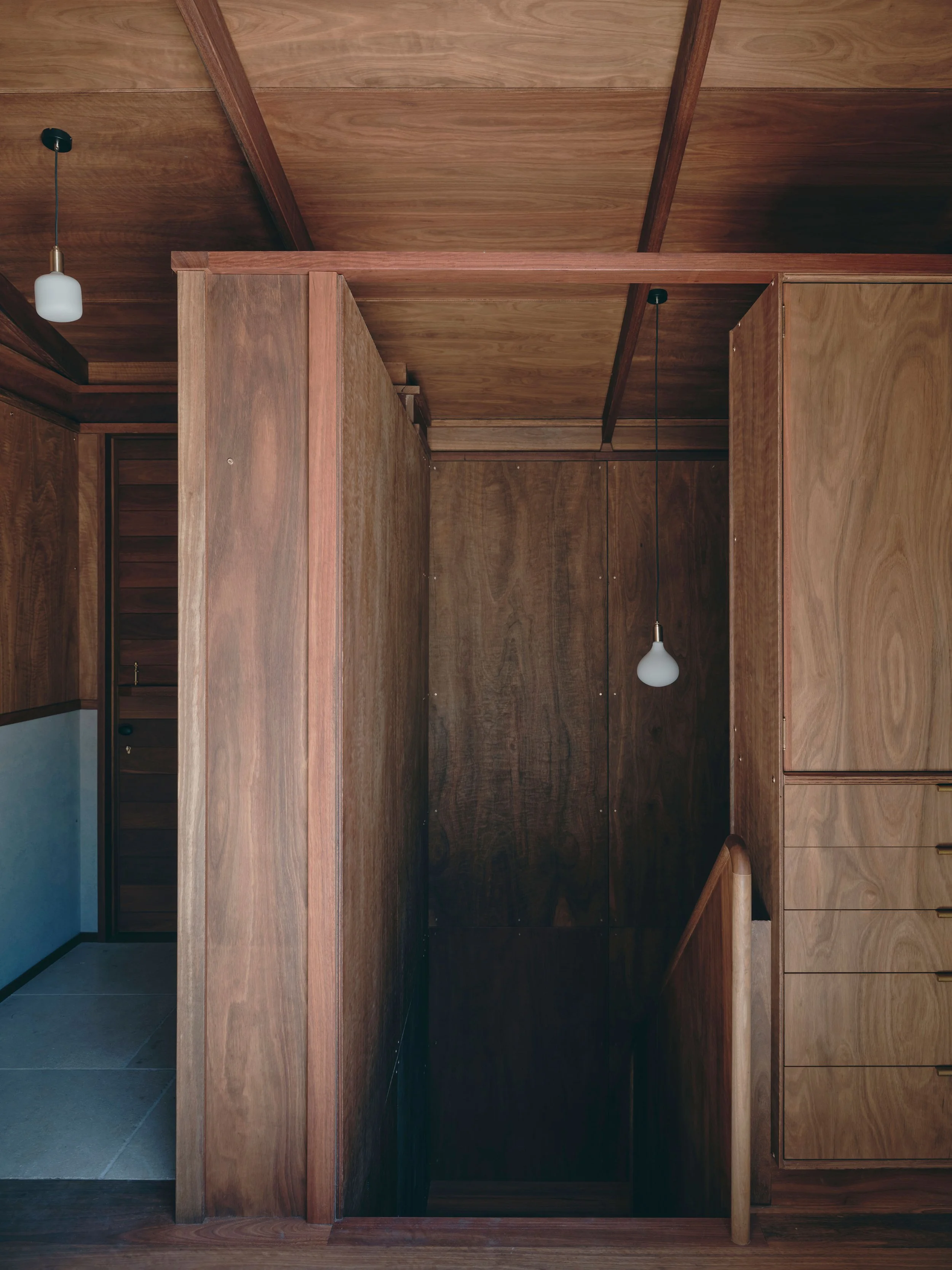
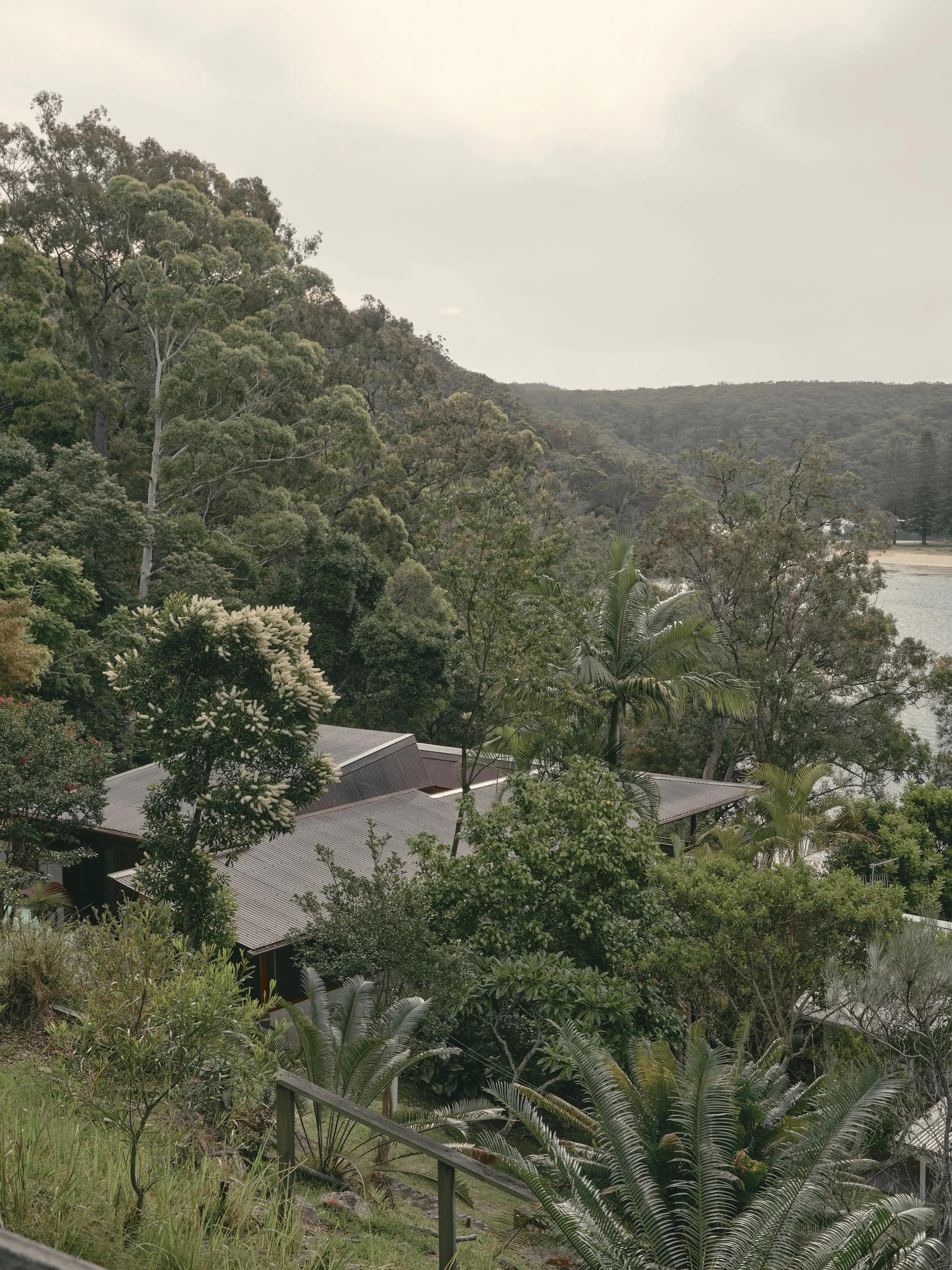
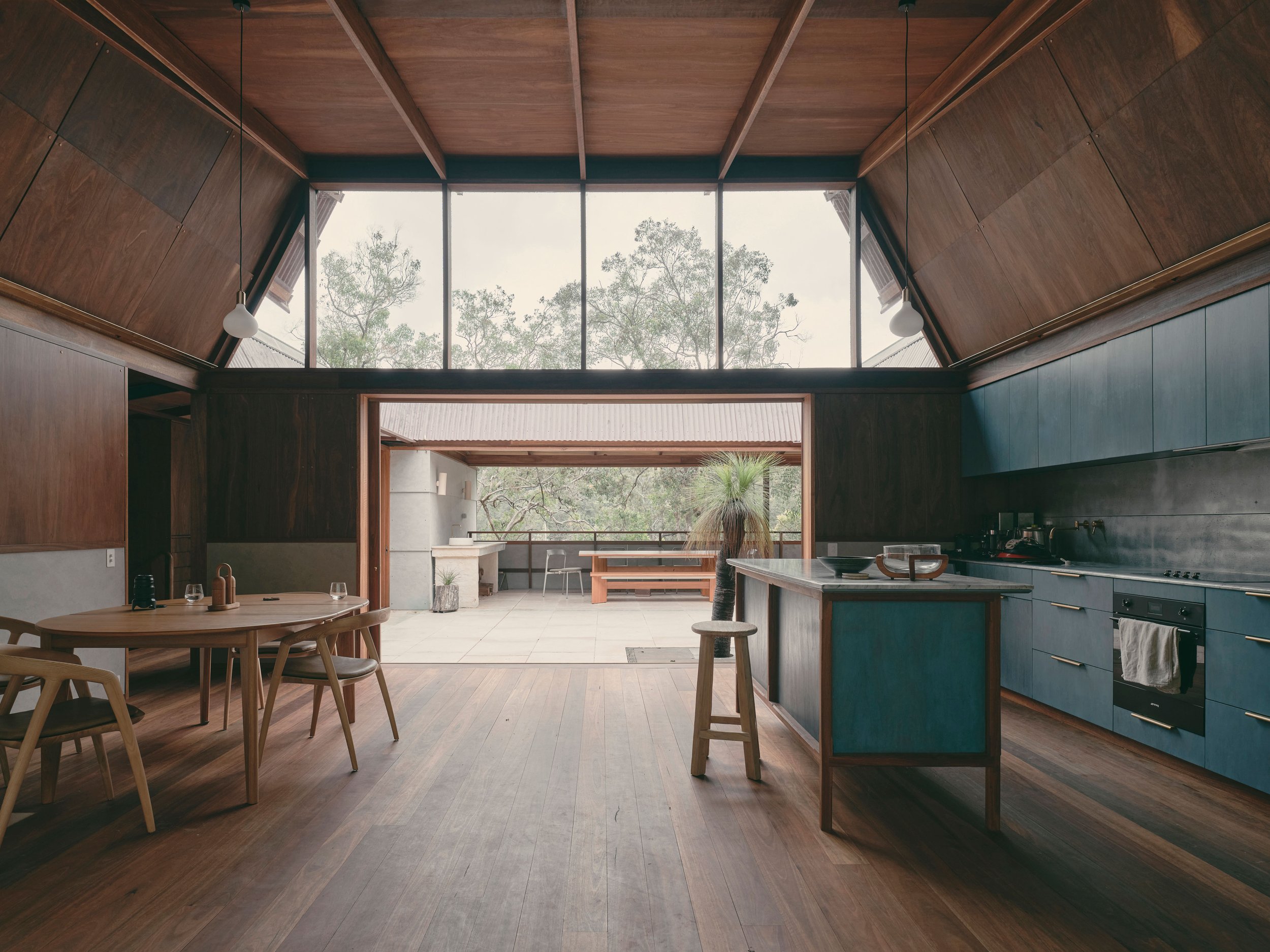
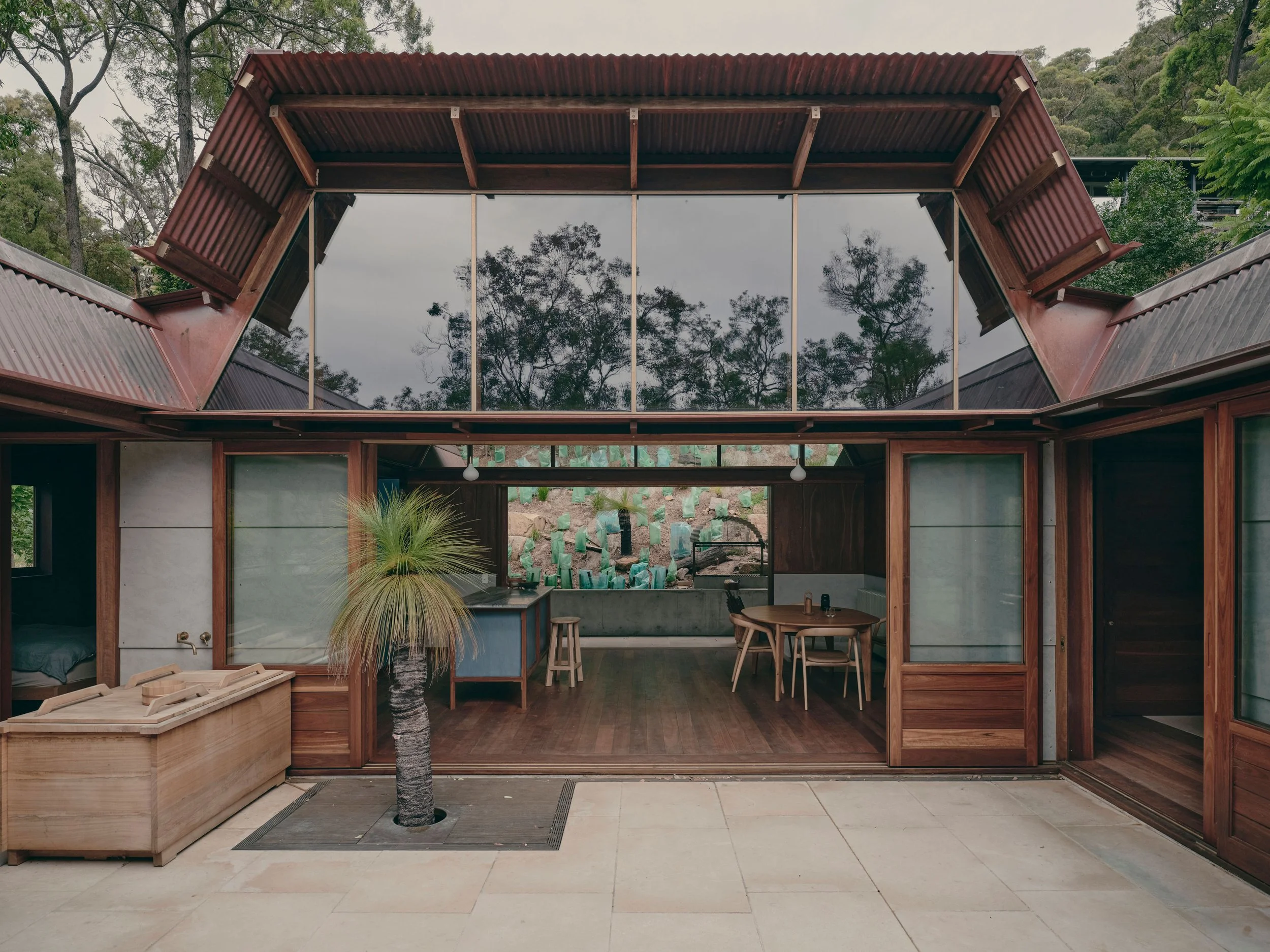
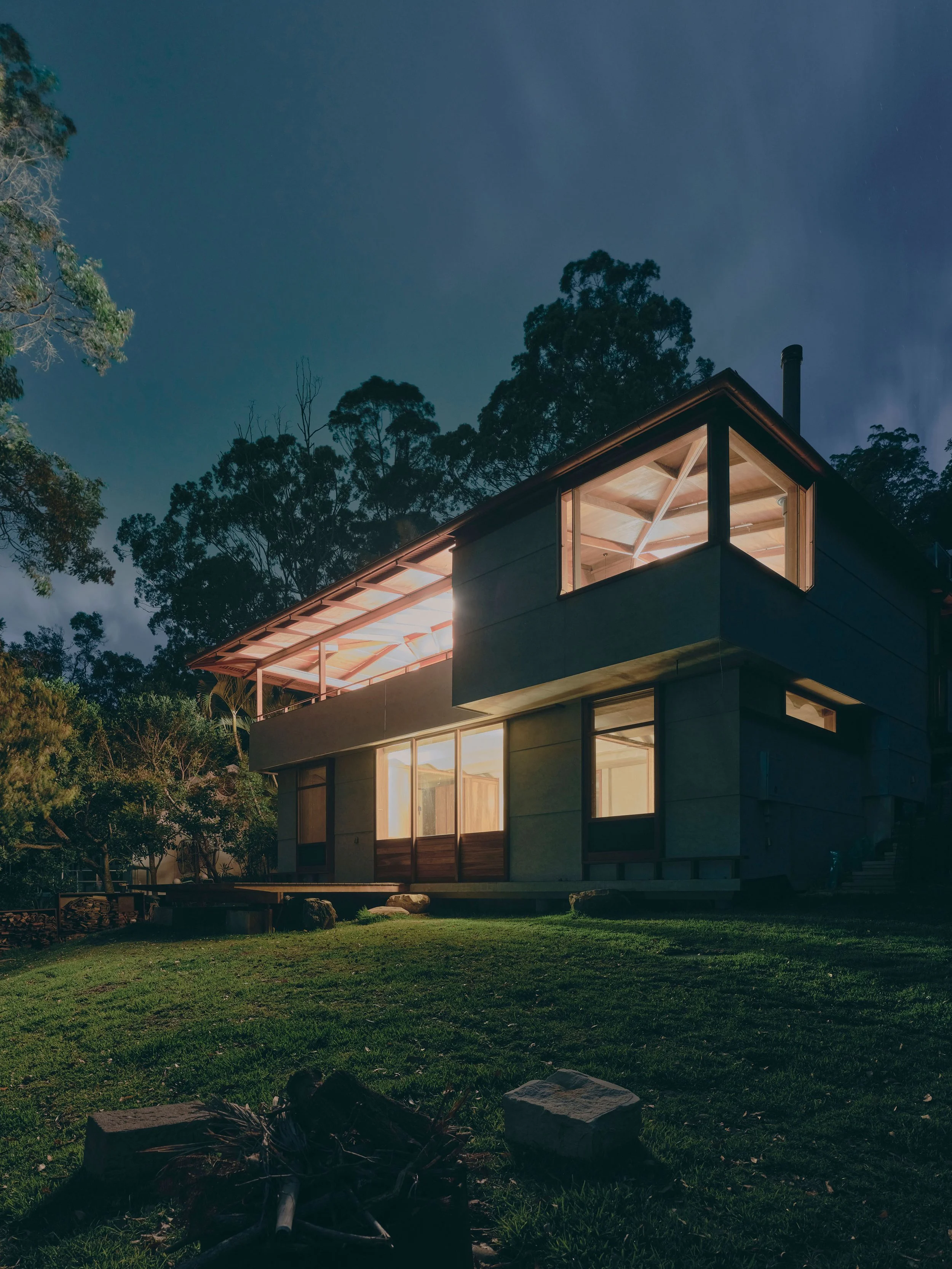
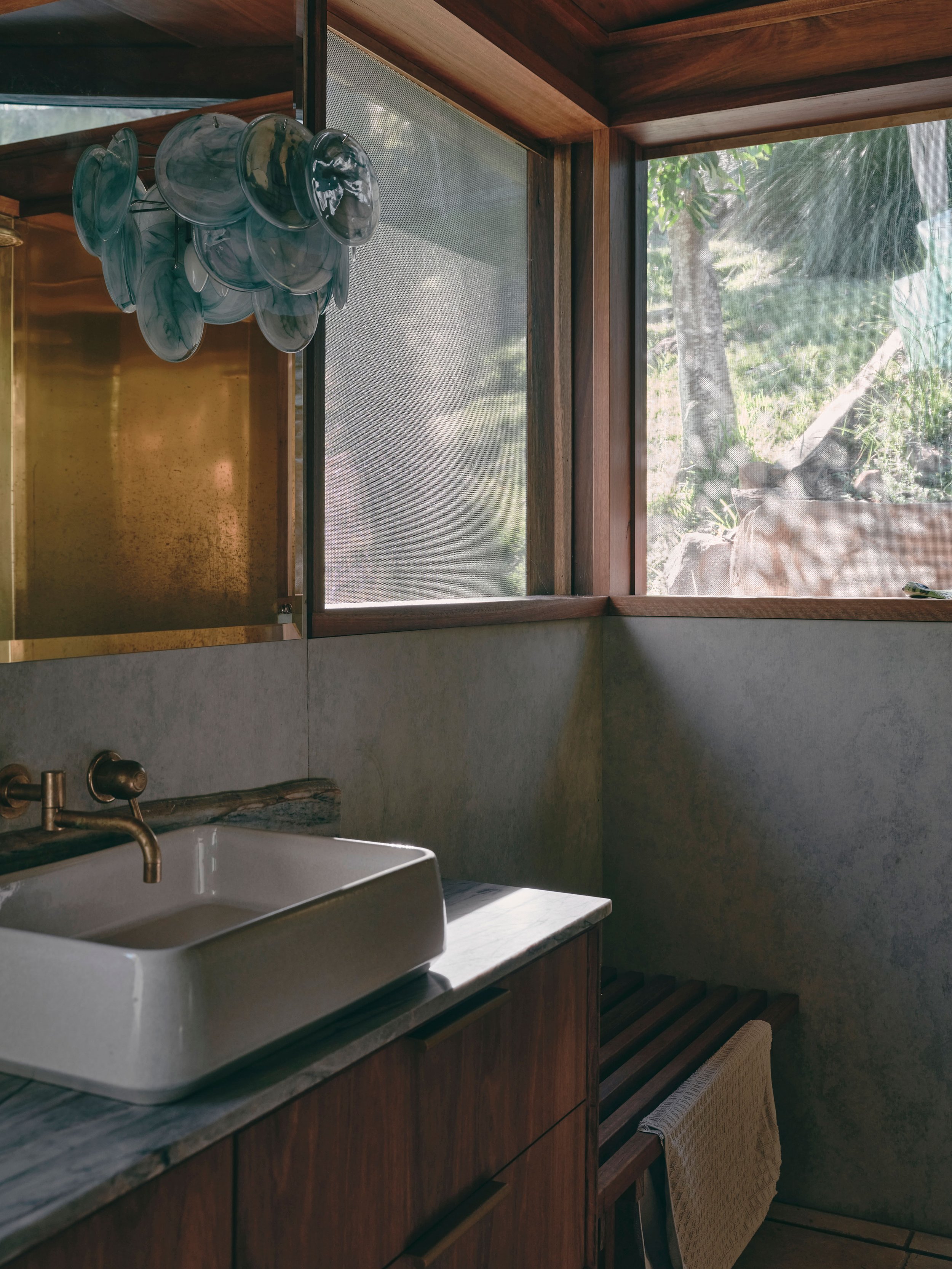
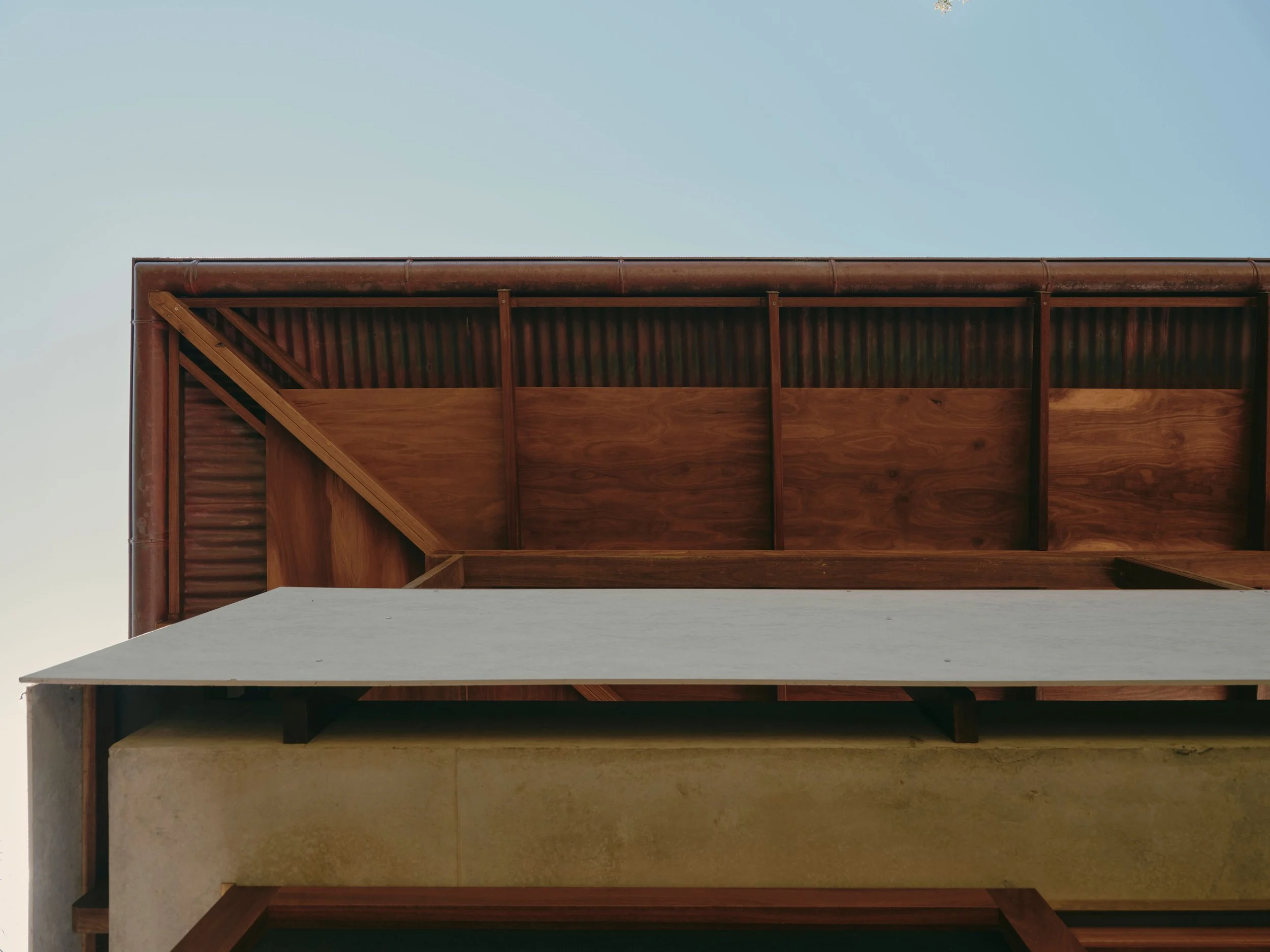
Enclave House is an architecturally designed hardwood, concrete and ply home in Pittwater with no roads only accessible via boat or ferry. It involved demolition of an asbestos cottage, material salvage for reuse in a rear studio, new 269m2 home with detailed concrete structural platform enclosed in highly detailed hardwood structure which had to be robust, considerate to its surrounding landscape and Bal 29 bushfire compliant.
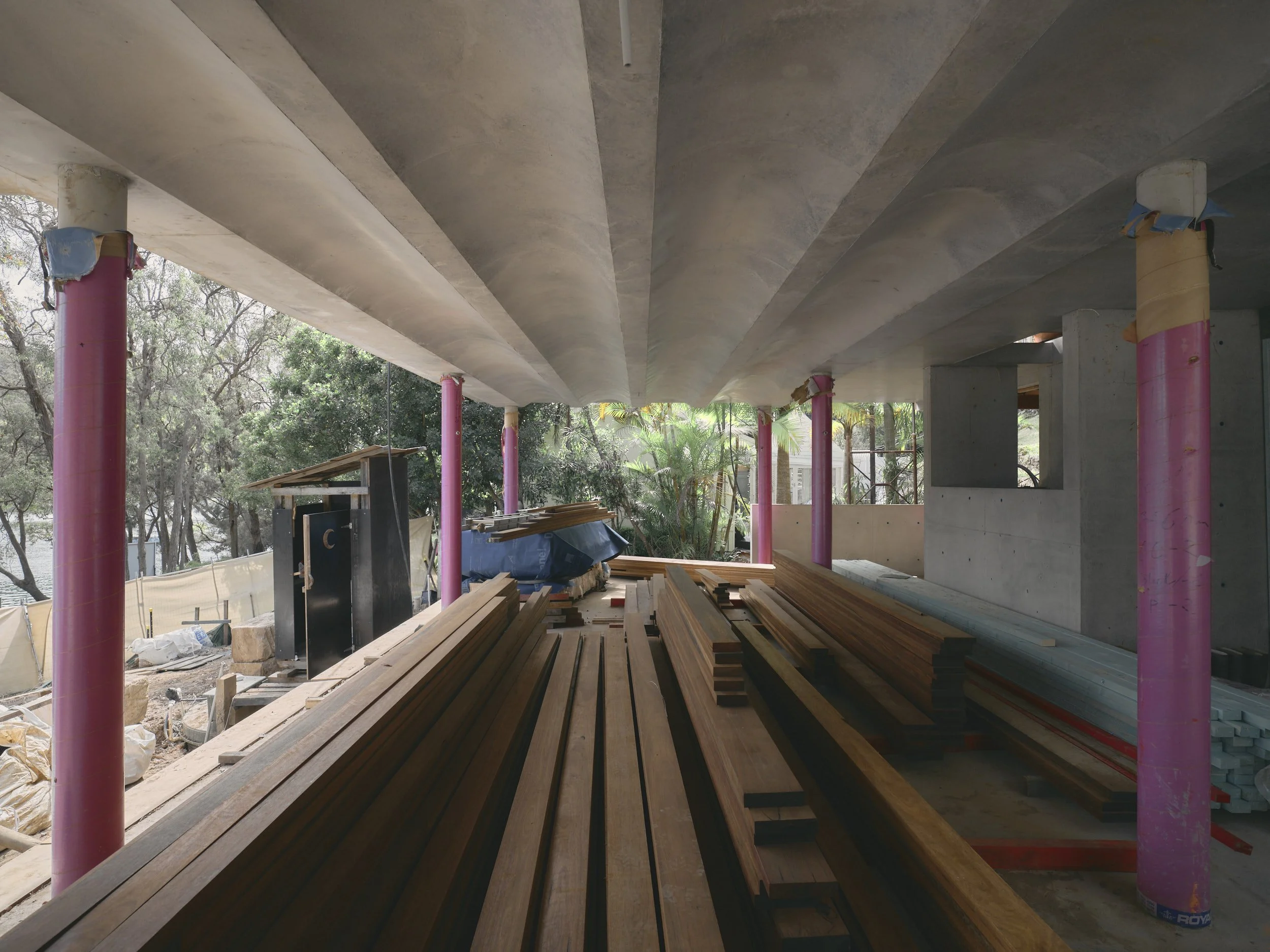
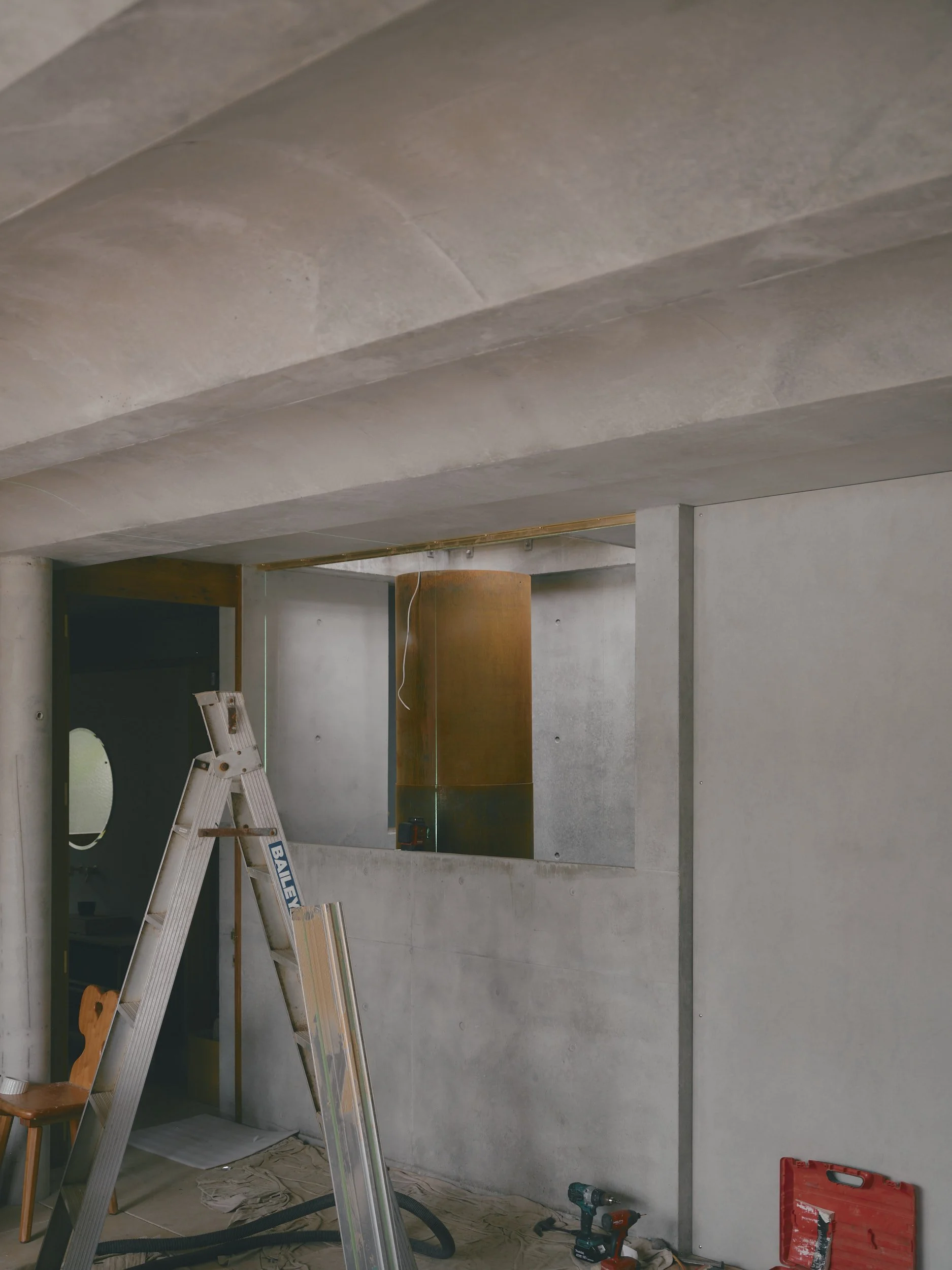
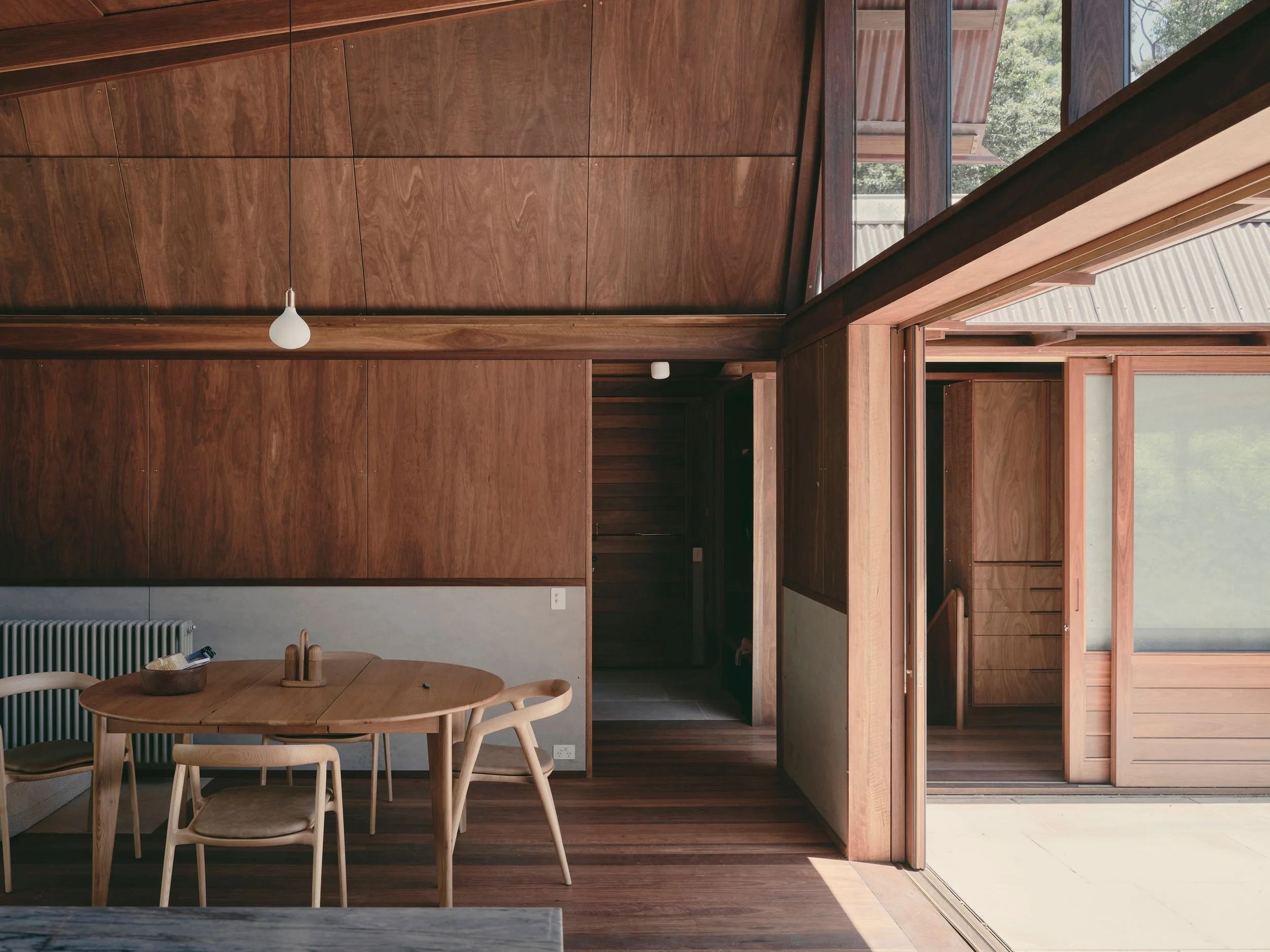
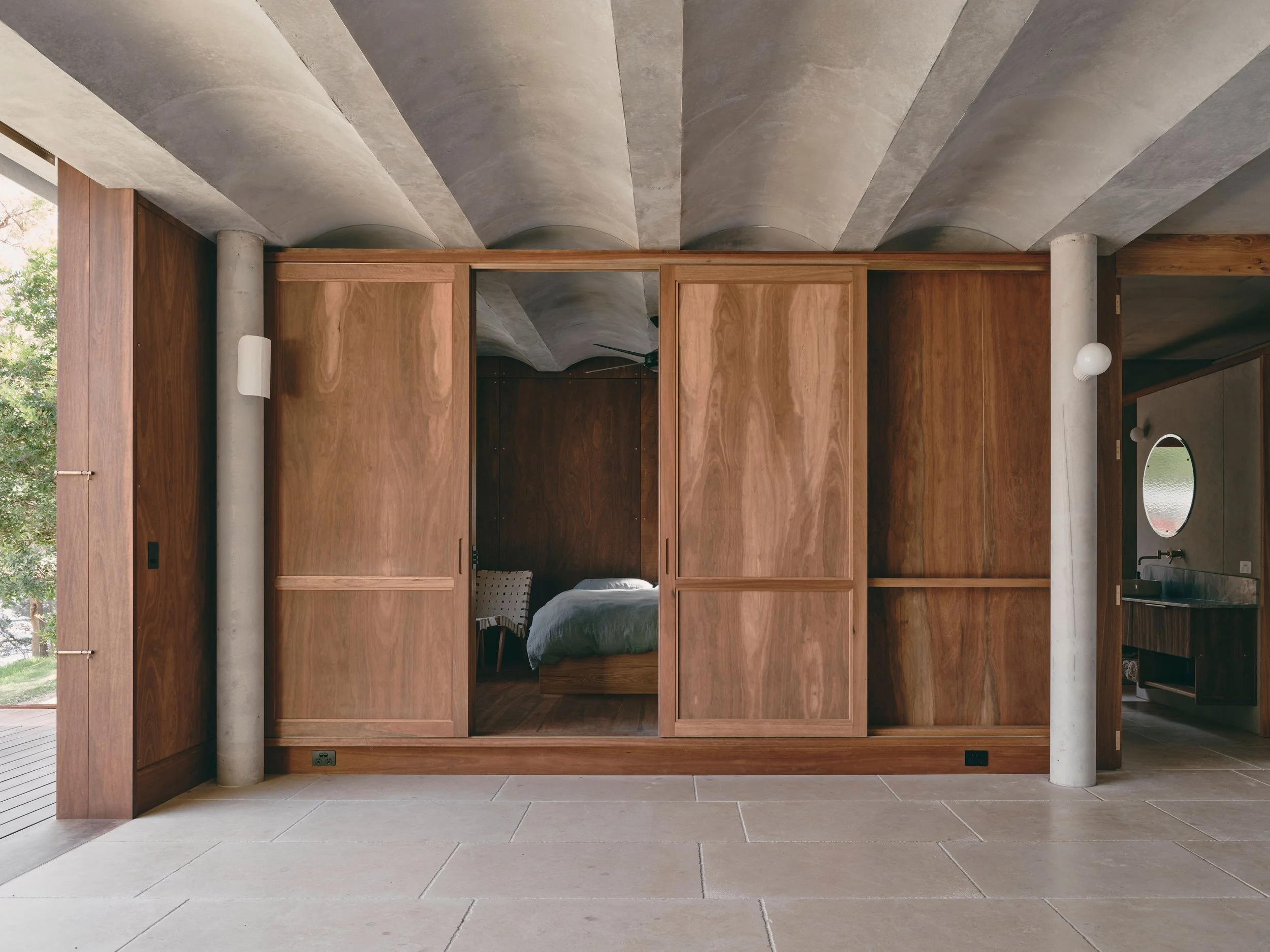
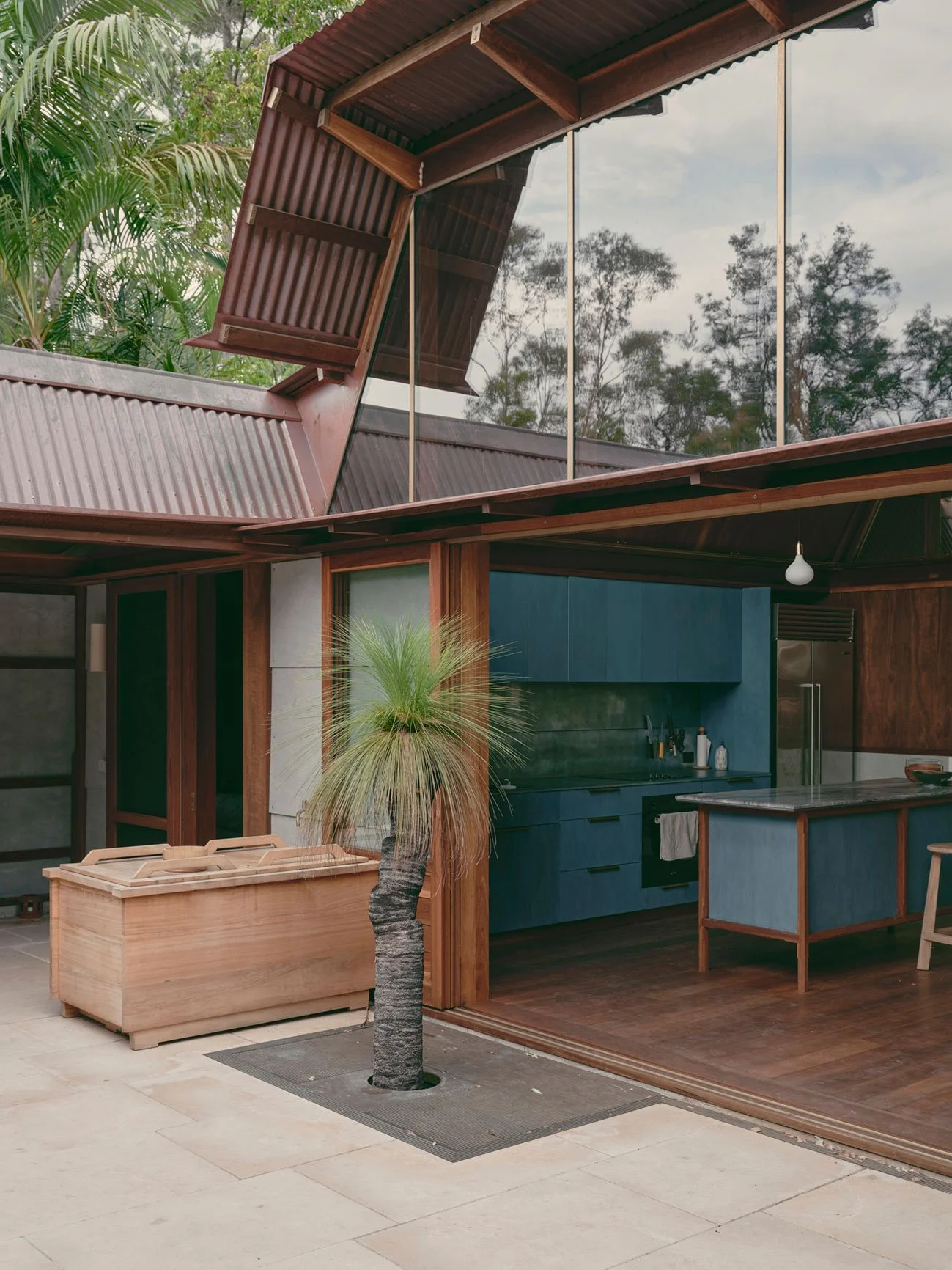
The home’s minimal palette used durable materials. At the heart of the home is a courtyard that operates as an outdoor dining space offering privacy yet connection to surrounding landscape. The kitchen pavilion and courtyard provide cross ventilation with enclosed rooms and loggia behind the kitchen. The ground floor has a concrete fluted soffit providing thermal mass and structural rigidity. Two raised children's bedrooms and a communal space look out to the foreshore. .
Images: Martin Siegner
Project Team
Architect – Bohane Campo Architects
Project Architect – John Bohane
Builder – Avalon Constructions (Russ Davis)
Engineer – PMI Engineers
Joinery – Luke Geercke Cabinet Makers
Hard Landscaping – Avalon Constructions & Hollandscapes
Copper Roof – Whale Beach Plumbing & Metal Roofer with Avalon Constructions team
Carpentry & details – Avalon Constructions team
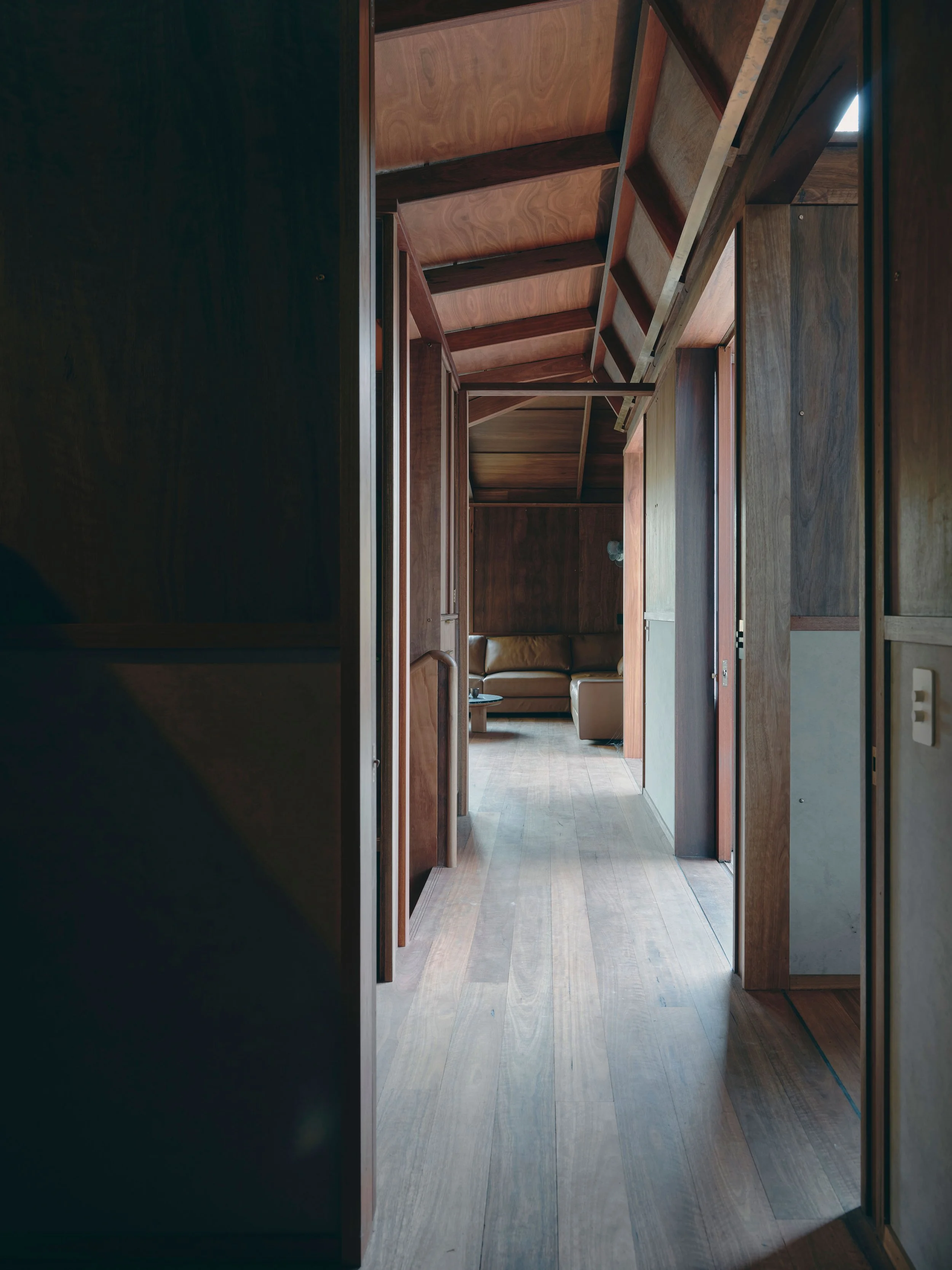
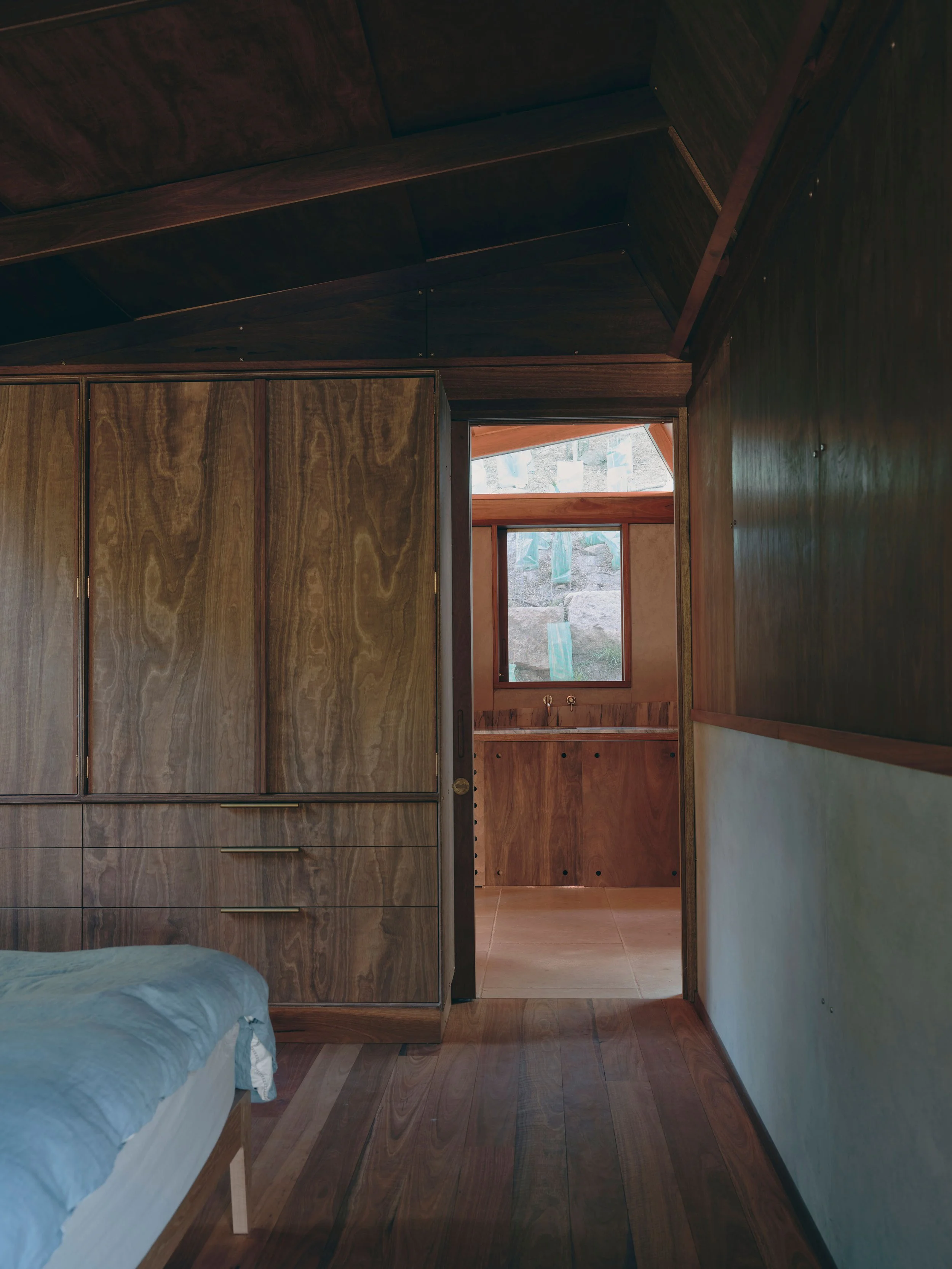
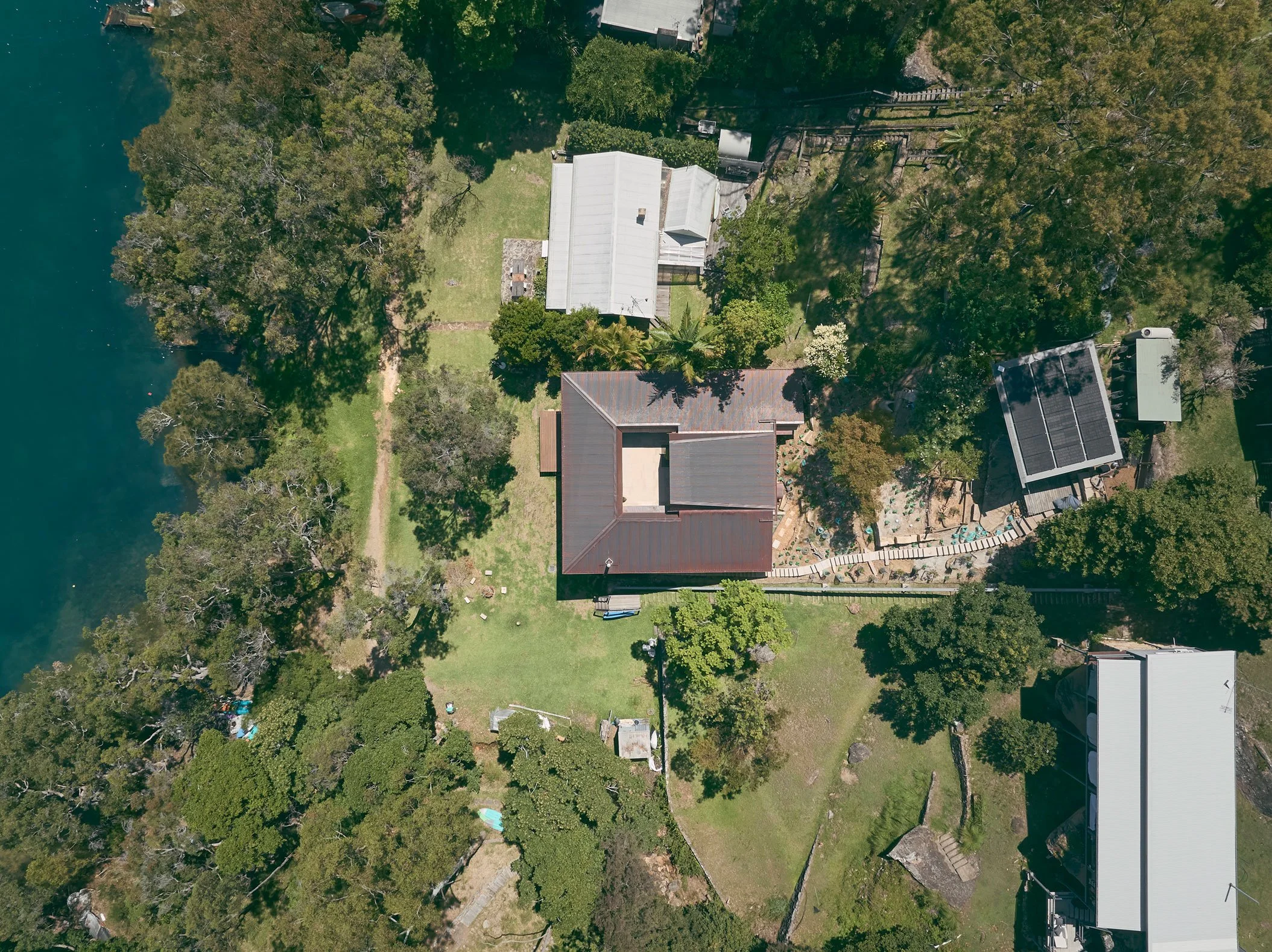
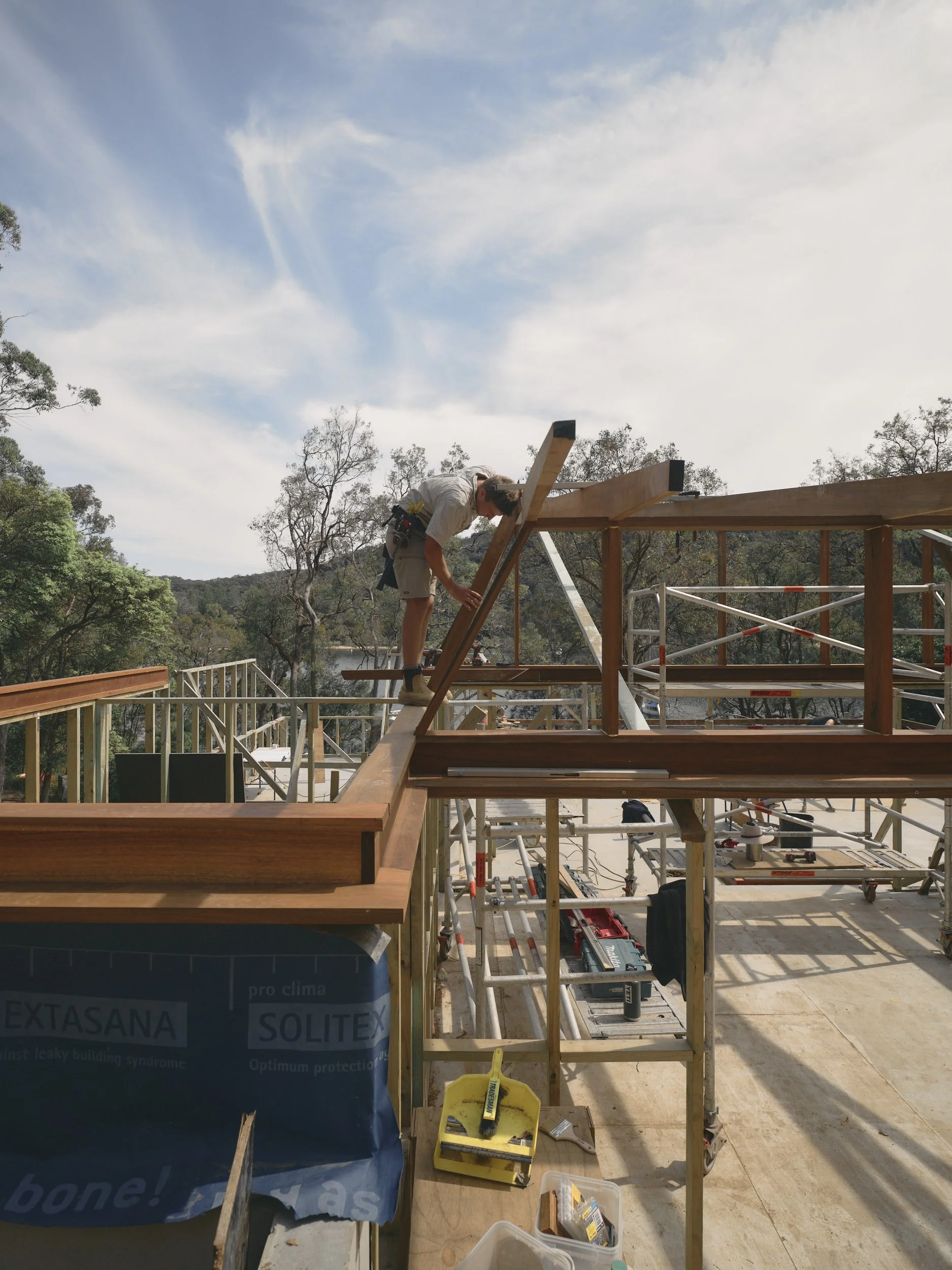
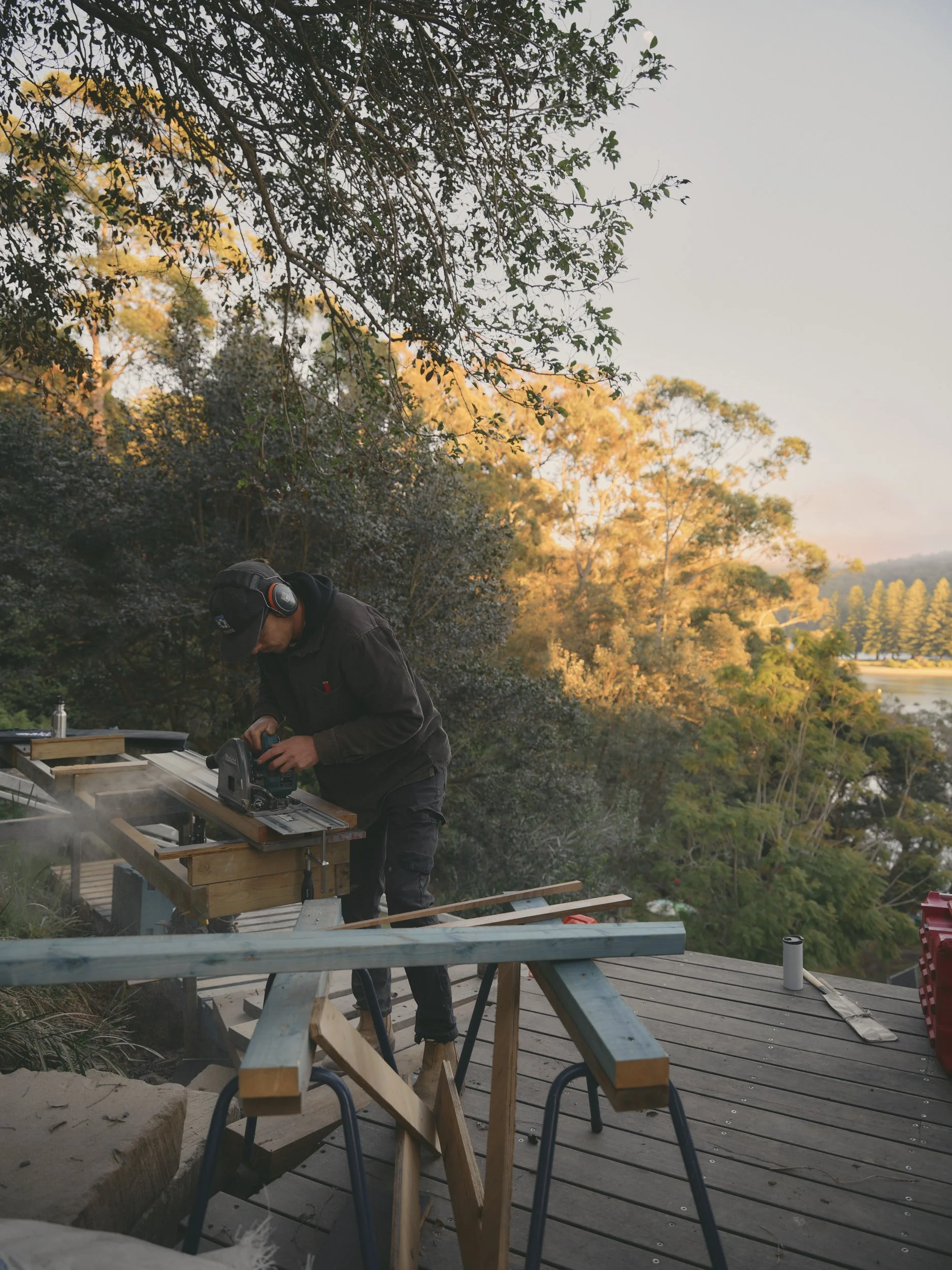
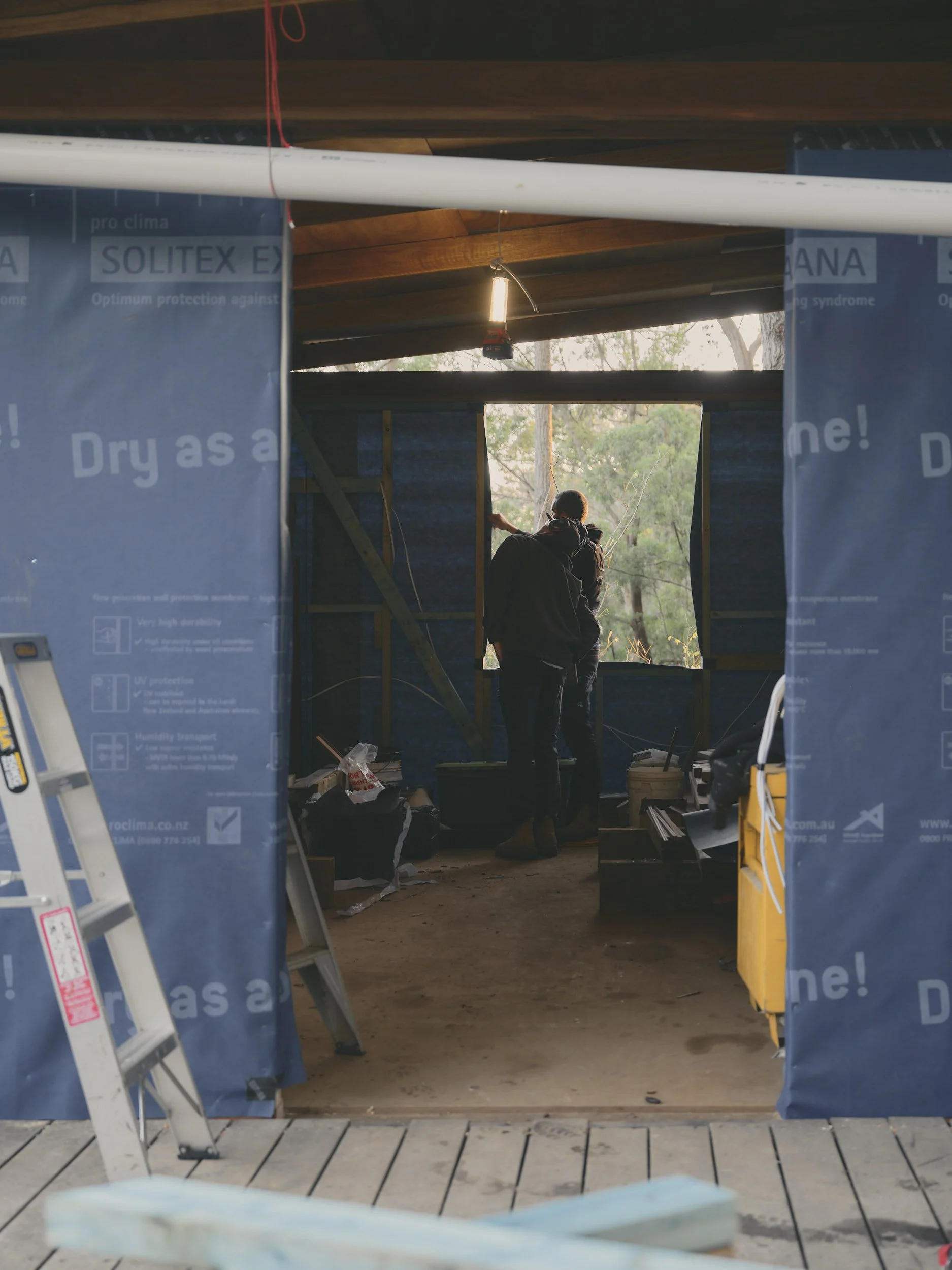
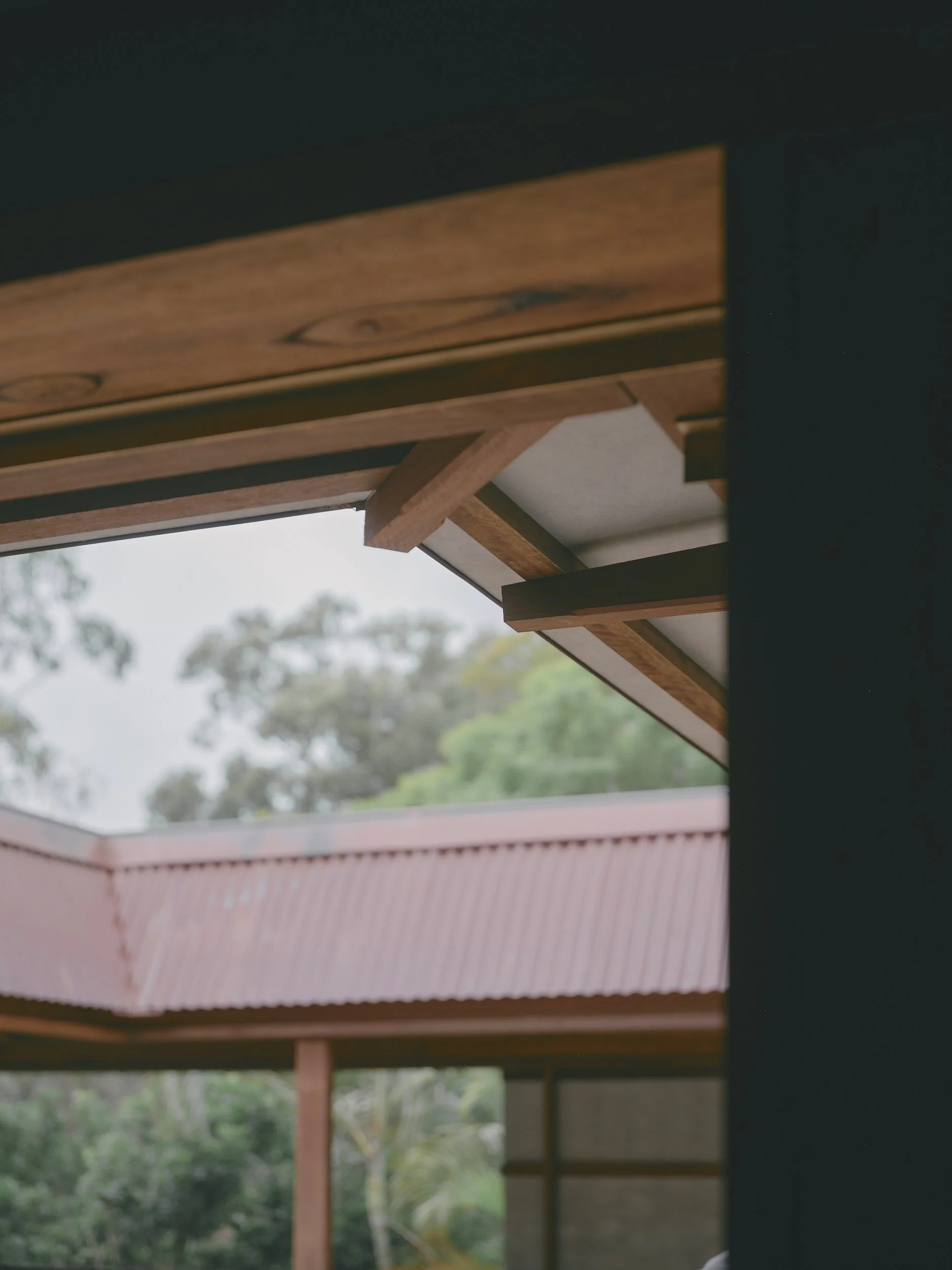
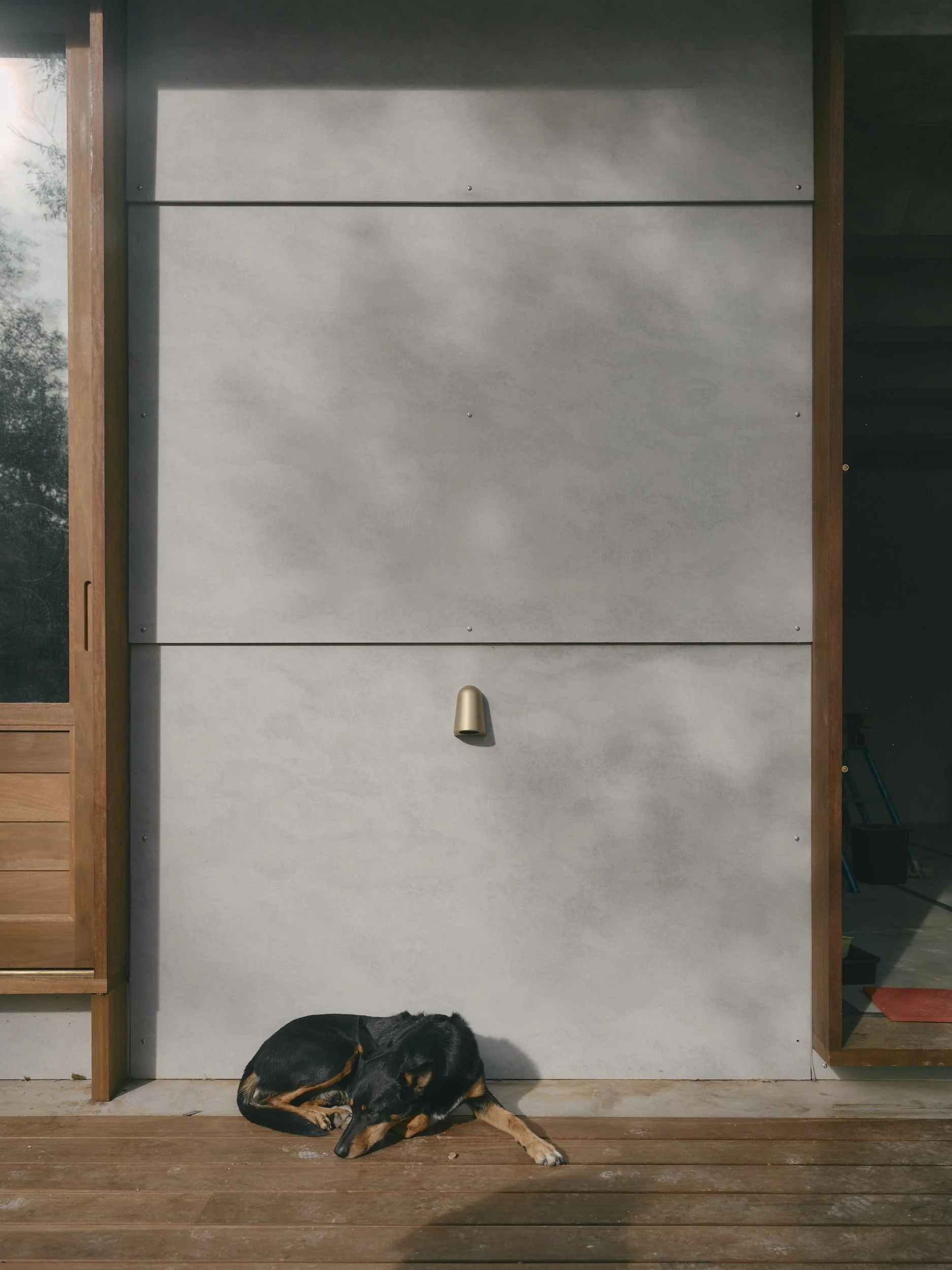
Enclave House is all electric with in-slab hydronic and radiator heating, heat pumps, solar power, onsite sewar system, water filtration, pressure pumps and 45,000L of inground water and bushfire tanks. Clad in fibre cement with a copper roof line that lifts and changes form, DP’s, leaf guards and flashings eliminate corrosion risk. There is no plasterboard or chipboard in Enclave House. Carpentry was done by Avalon Constructions, so the core carpentry was not outsourced to carpentry companies. The copper roof was crafted by the Avalon Constructions team with one roofer.
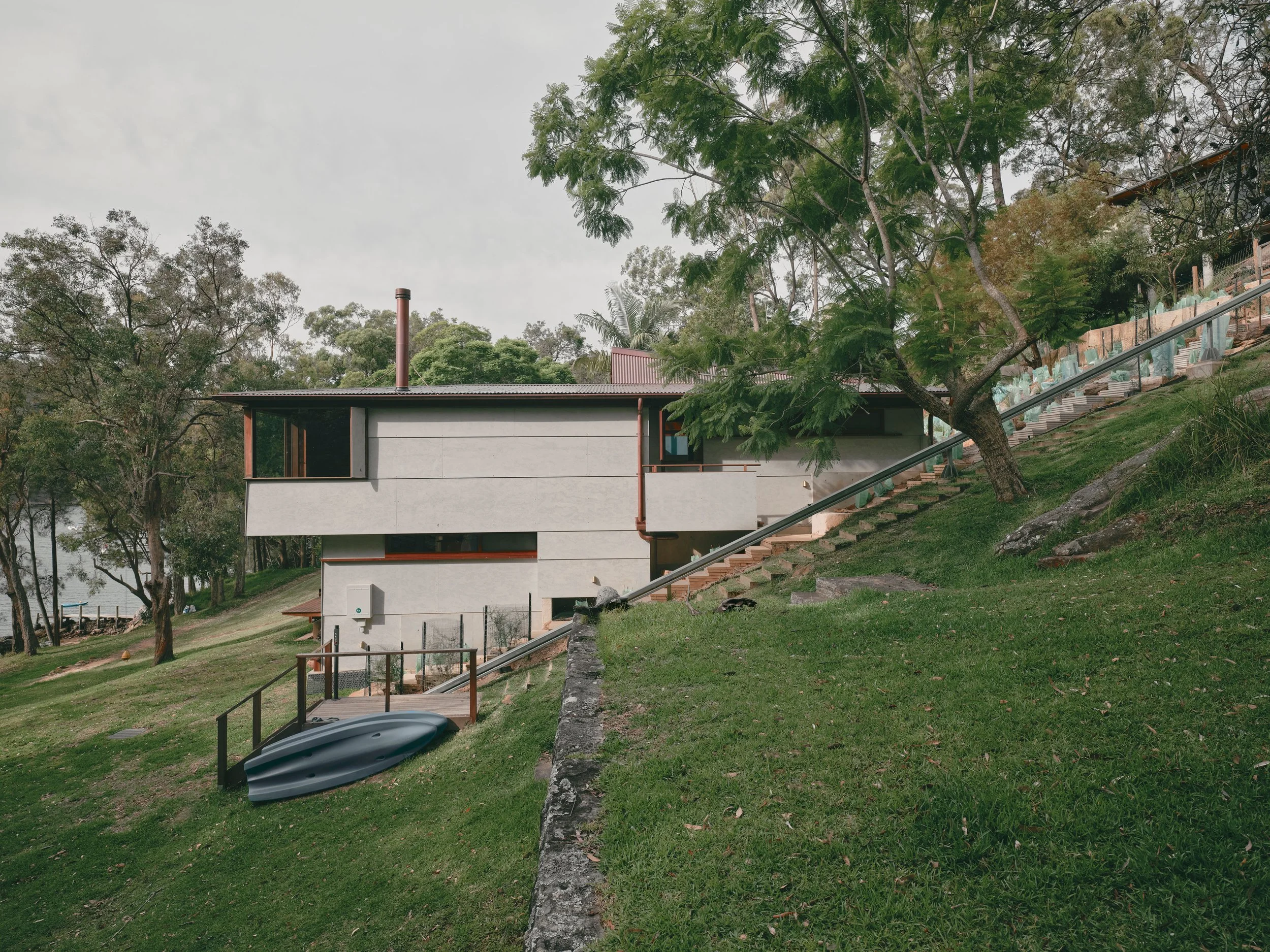
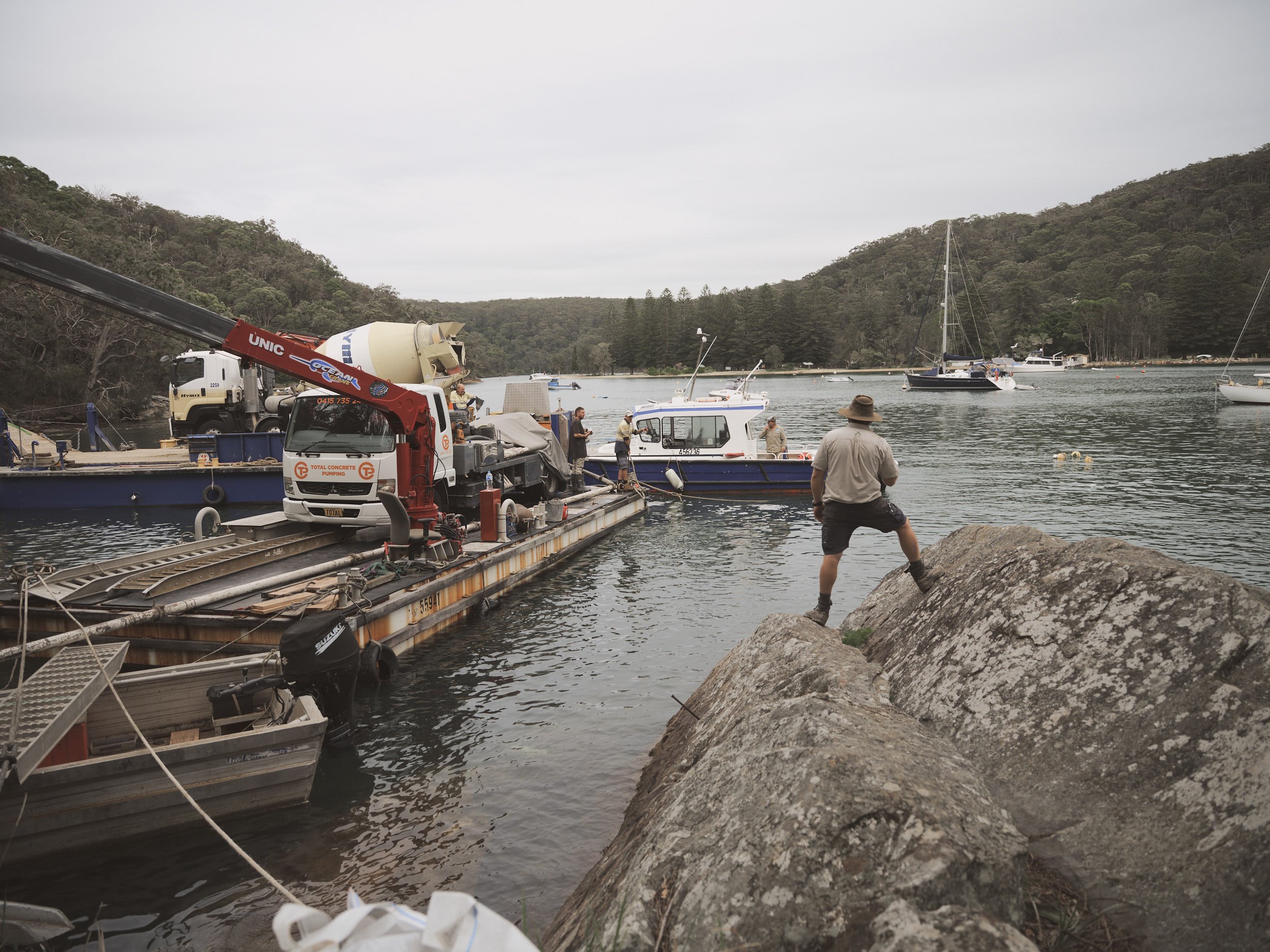
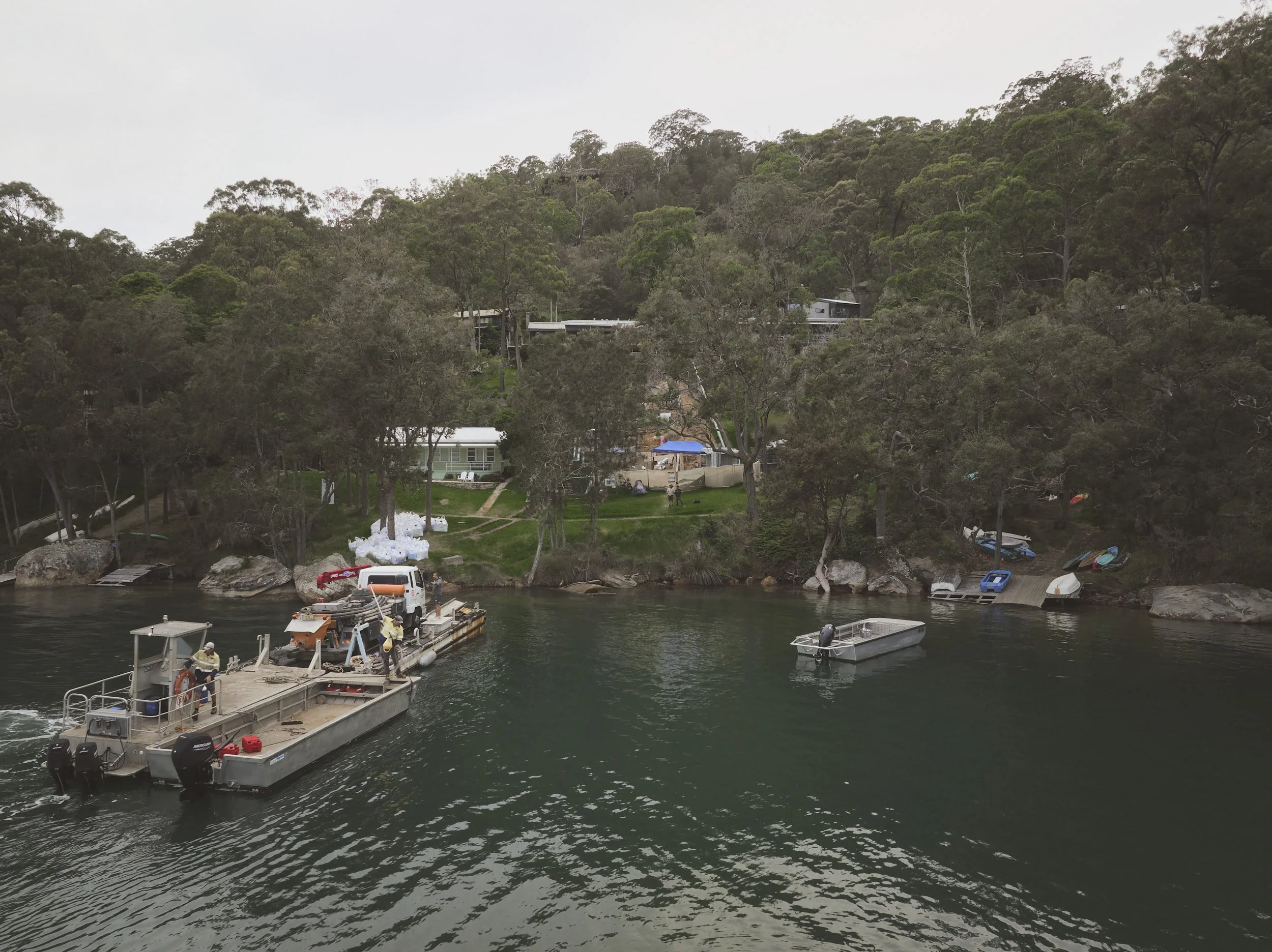
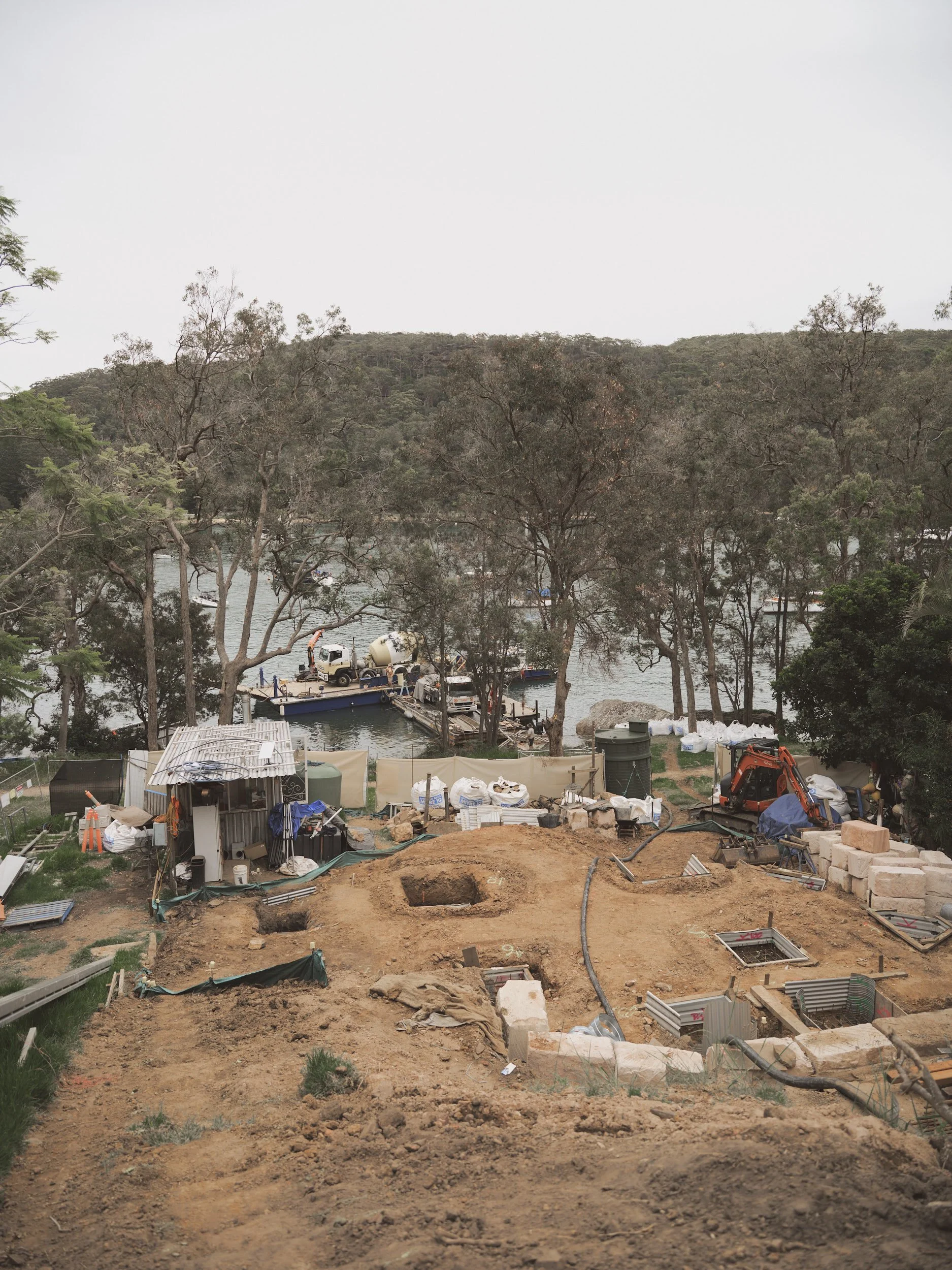
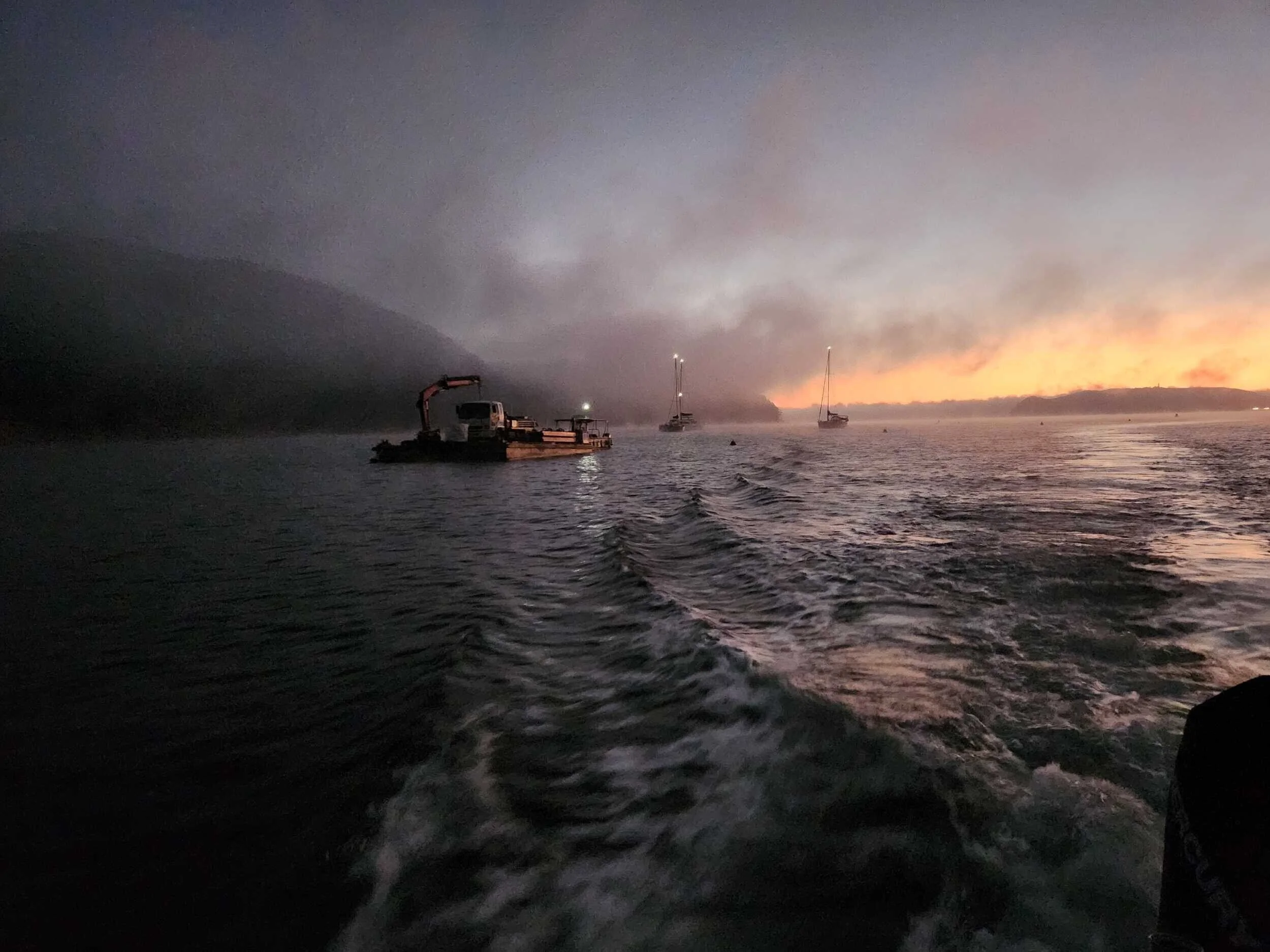
On a very steep site the ground was unstable and required extensive piering and retaining. The concrete pours were synchronised from barges, executed under tidal/weather conditions, and subcontractor availability. Four barges for each pour, the concrete pump was on a barge the night prior and moored at site. The concrete pump setup went from water to bank with no wharf and allow for a 1.5m tide difference during pours. Four pours of 40 to 50 cubes lasting from eight to seventeen hours. Concrete trucks took an hour to reach Cargo Wharf, one hour up Pittwater, moor next to the pump barge, off load, then return. A four hour turnaround is challenging, pouring off form slabs and walls when no cold joints are acceptable.
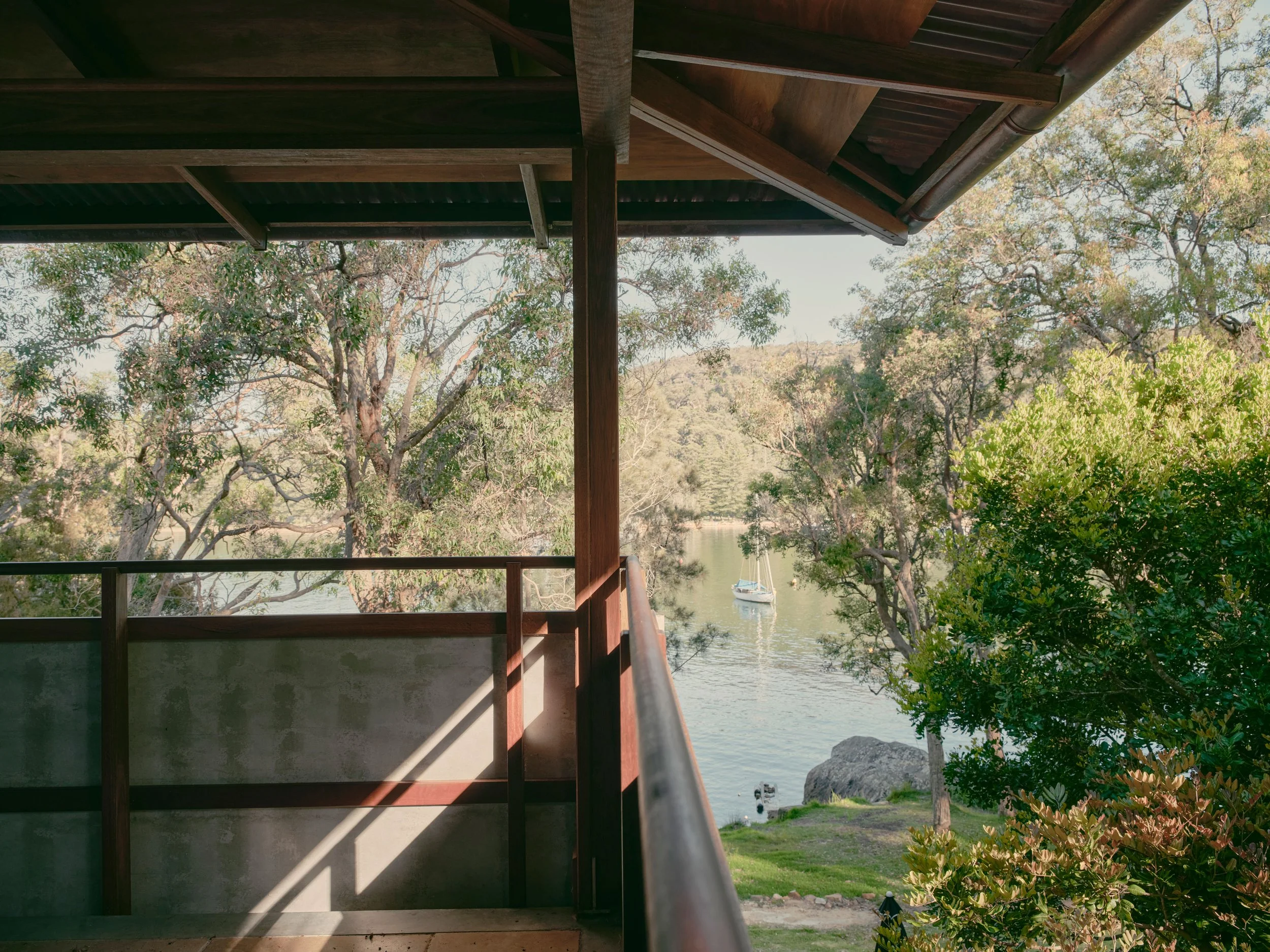
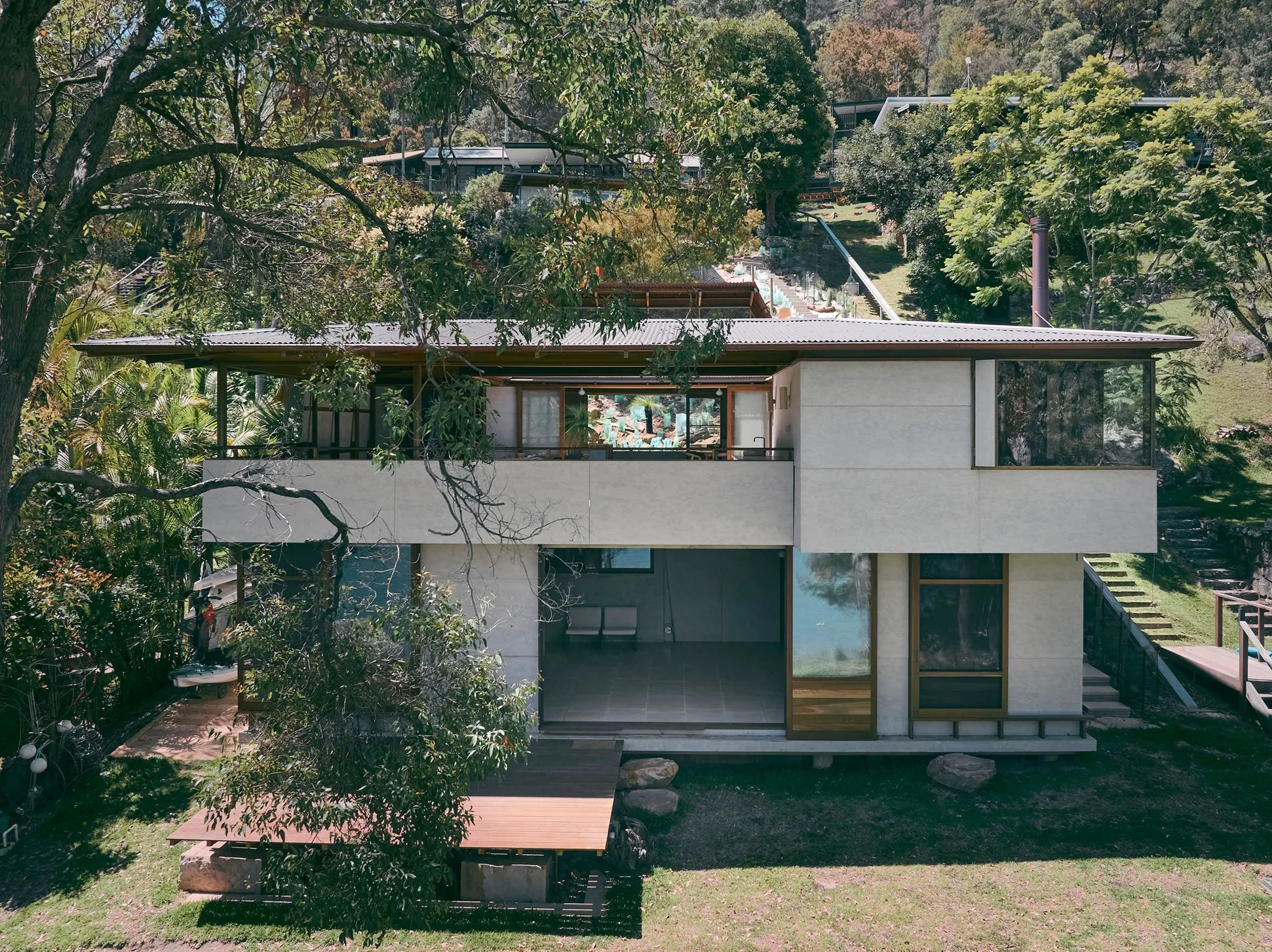
“This project presented exceptional logistical and environmental challenges. Materials, trades and equipment had to be delivered to boat ramps or Cargo Wharf on time, coordinated with weather, tides and barge contractors. The landing area was without a wharf and in a National Park, so materials were manually carried or on the TC1 carrier. ”
During construction, we encountered the Black nor’ easter extreme weather event that delivered intense rainfall and winds damaging installed septic infrastructure, displacing sandstone log retaining walls and ripping tarps erected over the site.
The digital management software maintained communication with daily site diaries/progress photos, programme updates, and drawings. Weekly site meetings weren’t possible, so transparency was crucial in resolution of design issues with the architects and owner.
“Anchored into a very steep slope yet respectful of its surrounding landscape this home stands as an example of collaborative building.”
“It was clear that all of the trades and staff have a deep respect for Russ and Natasha. It was common to hear trades say they knew the project would go well because it was Avalon Constructions. This created a high level of trust and belief in the project with the expectation that nothing was a problem that wasn’t going to be resolved to a high standard..”